After several years of extraordinary challenges for Ukraine’s energy system, the matter of energy security is no longer viewed only as an operational challenge for companies. Today, energy independence is increasingly seen as a key factor in competitiveness, resilience, and long-term business development.
The results of a study conducted by SUNSAY NRG among 270 representatives of Ukrainian companies in 2025 demonstrate a fundamental shift in business attitudes toward alternative energy. While previously investments in renewable energy sources were perceived primarily as an environmental initiative or a way to reduce costs, today they are increasingly becoming a tool for ensuring business continuity.
The greatest activity in the study was shown by companies from the agricultural sector, retail, logistics, light and heavy industry. These are the sectors most dependent on stable electricity supply and, at the same time, those that have most acutely felt the consequences of energy risks in recent years.
Particularly notable is the growing level of business awareness regarding alternative energy. Nearly 97% of respondents rate their knowledge as high or medium, and solar and wind energy are known to virtually all respondents. This indicates the completion of the initial familiarization stage with the technologies and a transition to the stage of practical implementation.
Especially telling are the investment intentions of companies. More than 20% of enterprises are already investing in alternative energy projects, and a further 76% either plan such investments or are actively considering them in the coming years. Thus, almost the entire business sector is demonstrating interest in implementing next-generation energy solutions.
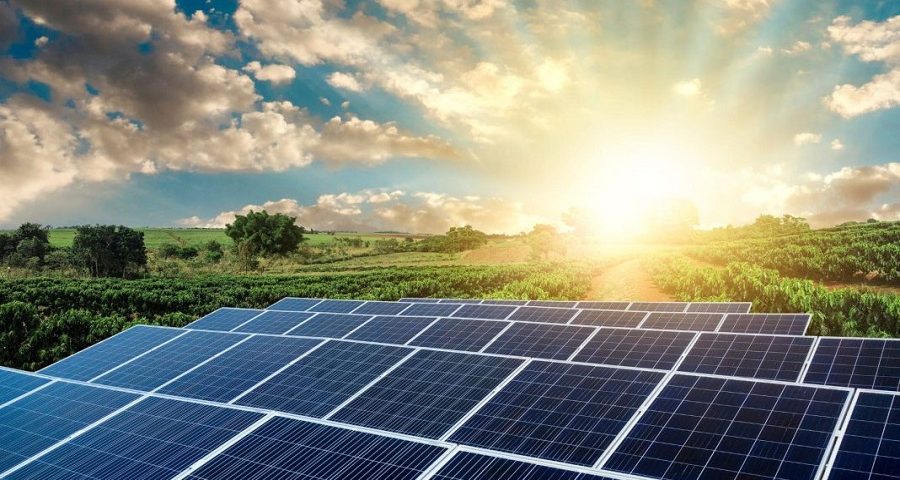
Solar energy remains the undisputed leader among technologies. More than half of respondents named solar power plants as the priority area for investment. The reasons for this choice are entirely pragmatic. For business, the primary motivations are reducing electricity costs and ensuring energy independence. At the same time, an increasing number of companies are taking into account the possibility of selling surplus electricity and compliance with environmental standards.
Notably, businesses are already moving from viewing solar generation as a standalone solution toward integrated energy systems. Almost half of the respondents consider hybrid solar power plants — combining generation and energy storage — to be the optimal option. This reflects a more mature approach to energy management and a desire to minimize dependence on external factors.
At the same time, interest in battery energy storage systems (BESS) is growing rapidly. Although this segment is still at a formative stage, more than a third of companies are already planning to implement such solutions in the coming years. Businesses cite the main advantages of storage systems as the ability to integrate with renewable energy sources, provision of backup power supply, and optimization of electricity costs.
At the same time, the study showed that market development is constrained not so much by technological factors as by financial and informational ones. For solar energy, the key barriers remain insufficient awareness of the technologies and access to financing. For energy storage systems, businesses consider the high cost of equipment and installation to be the main obstacle. Meanwhile, compared to the previous year, the share of companies that consider alternative energy too expensive has decreased significantly, indicating the gradual formation of a mature market.
The study also demonstrates an important trend: enterprises are increasingly evaluating energy projects not only through the lens of payback period. Coming to the forefront are operational stability, protection against power supply disruptions, cost predictability, and the overall resilience of the business to crisis situations.
Ukrainian business has effectively already made its choice in favor of energy transformation. Solar generation and energy storage systems are gradually moving from the category of innovative solutions into the category of standard tools for ensuring competitiveness. The next step to accelerate this process should be accessible financial instruments, the dissemination of successful practices, and the further development of state policy supporting distributed generation.
Today we can confidently speak of the formation of a new energy landscape for the Ukrainian economy, in which enterprises are becoming not only consumers but also producers and accumulators of energy. This very trend may become one of the key factors in strengthening the resilience of the Ukrainian economy in the coming years.For businesses considering investments in the renewable energy sector, the availability of finished projects and verified investment opportunities is a key factor.
Today, the Dnipropetrovsk Investment Agency (DIA) is supporting a number of energy projects, particularly in the areas of solar power generation, bioenergy, energy infrastructure, and distributed generation. These projects can be viewed on the DIA Investment Portal under the “Investment Projects” section. The implementation of such initiatives will not only contribute to strengthening the region’s energy security but also create new opportunities for Ukrainian and international investors in the process of rebuilding and modernizing Ukraine’s economy.