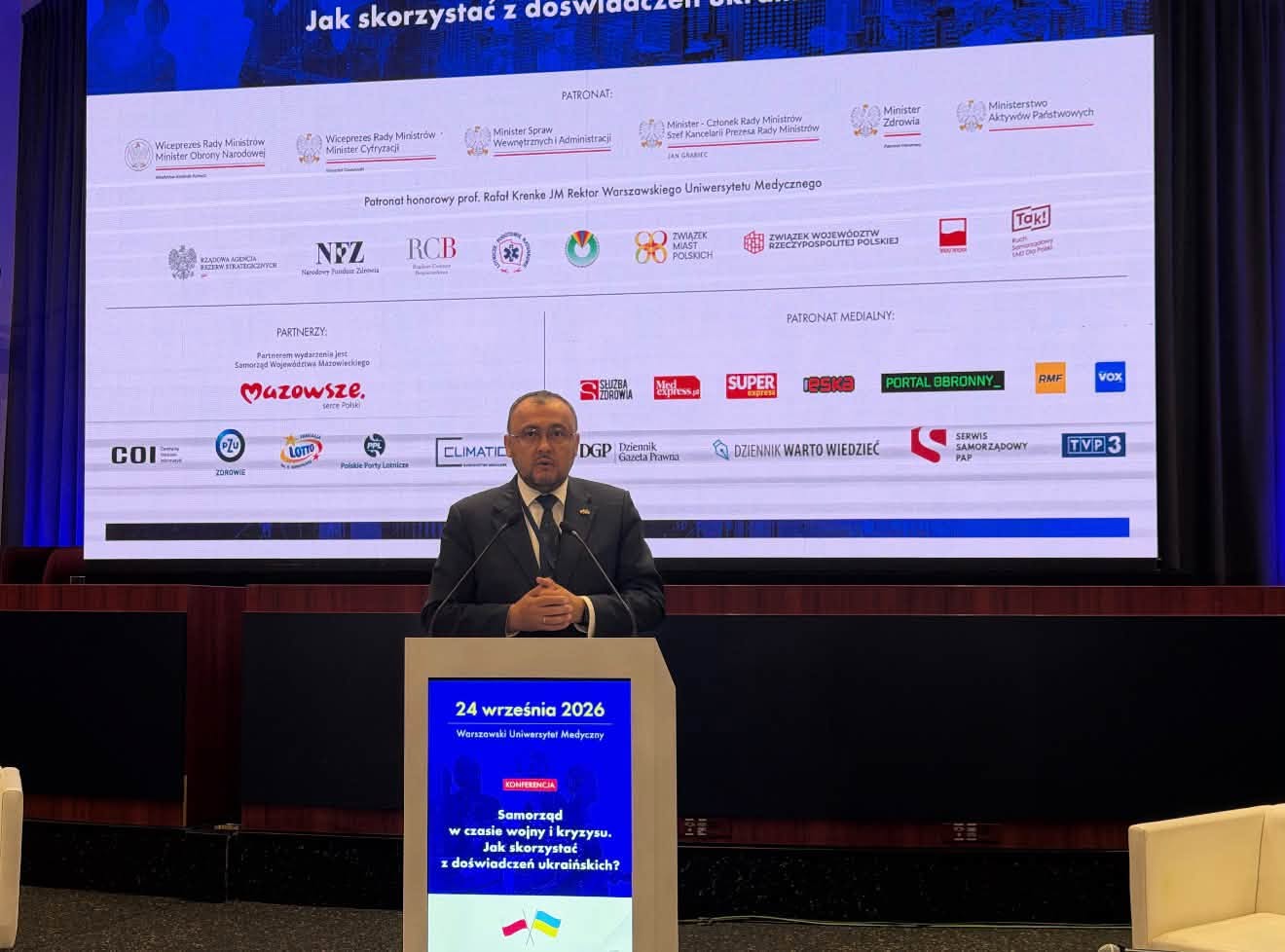
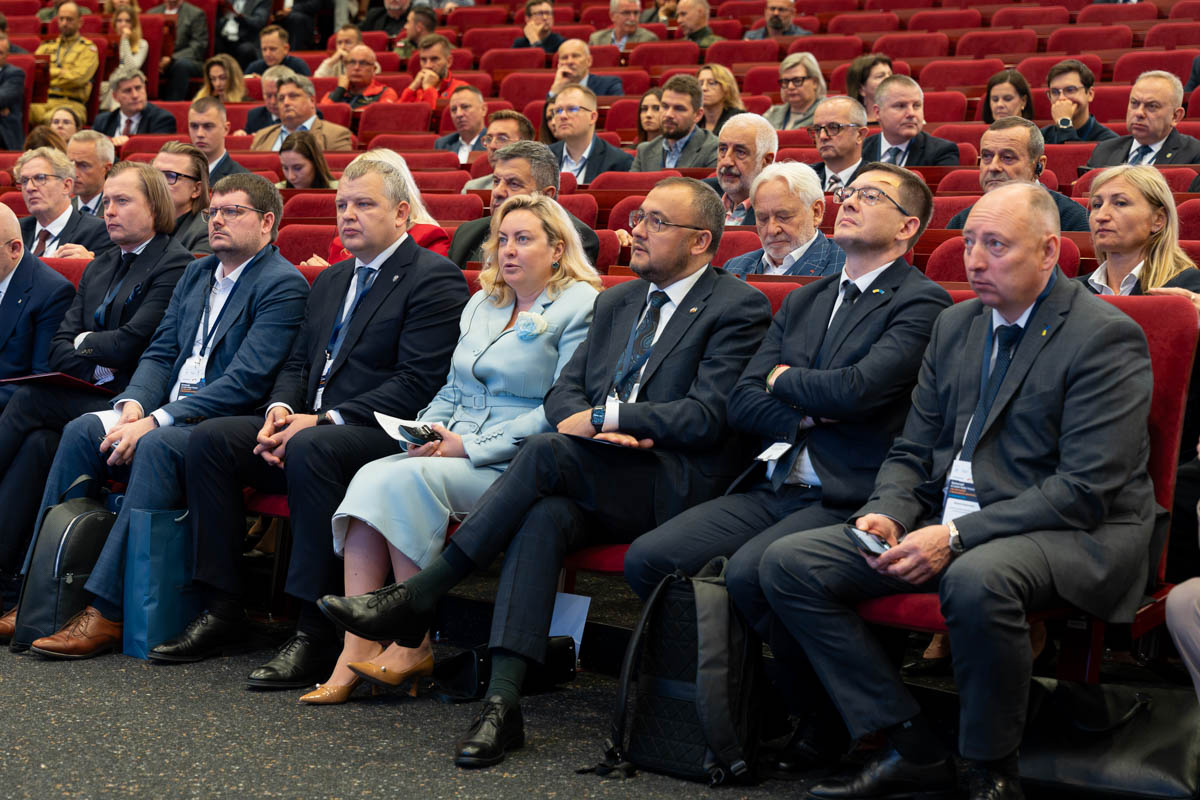
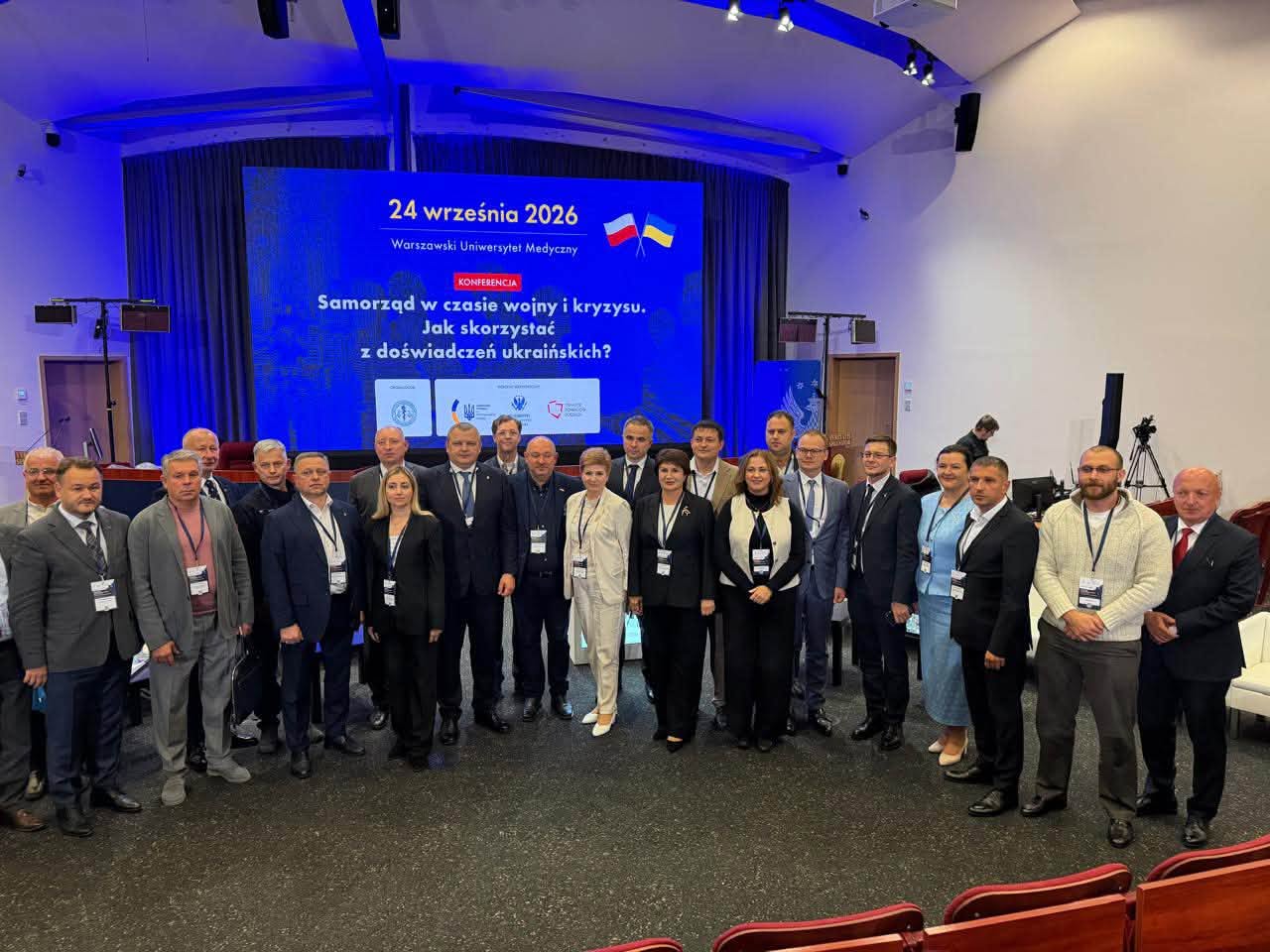
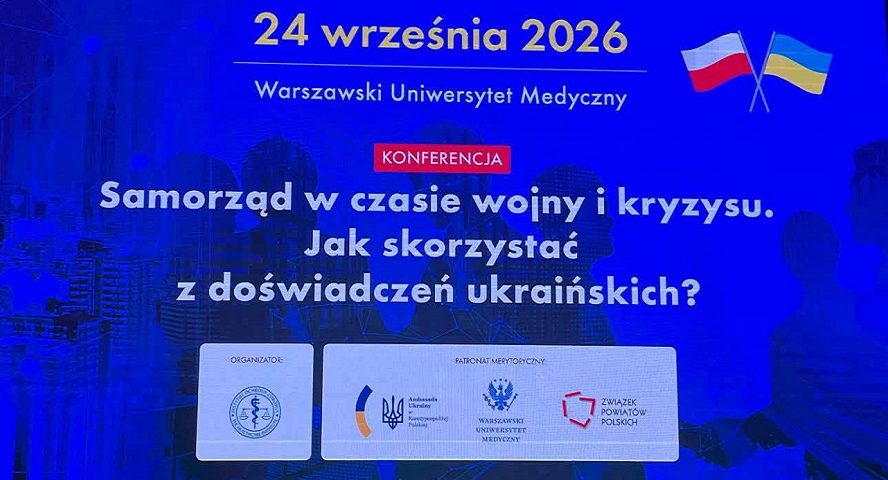
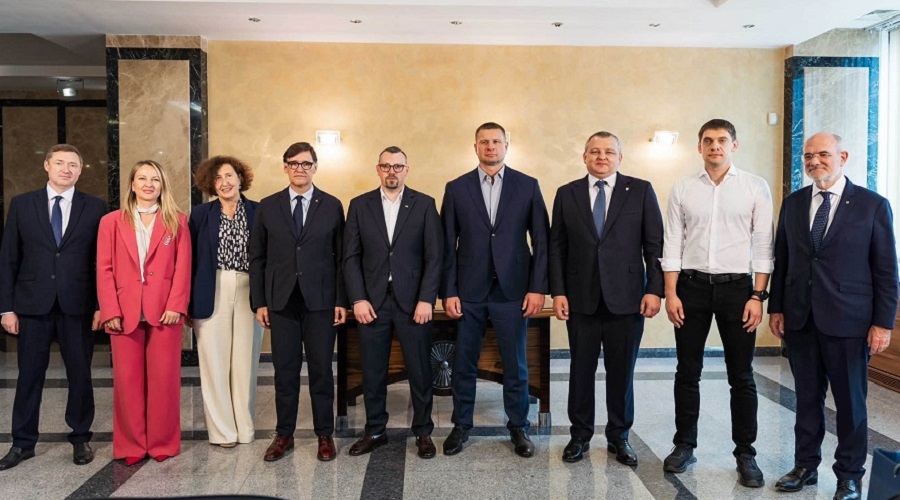
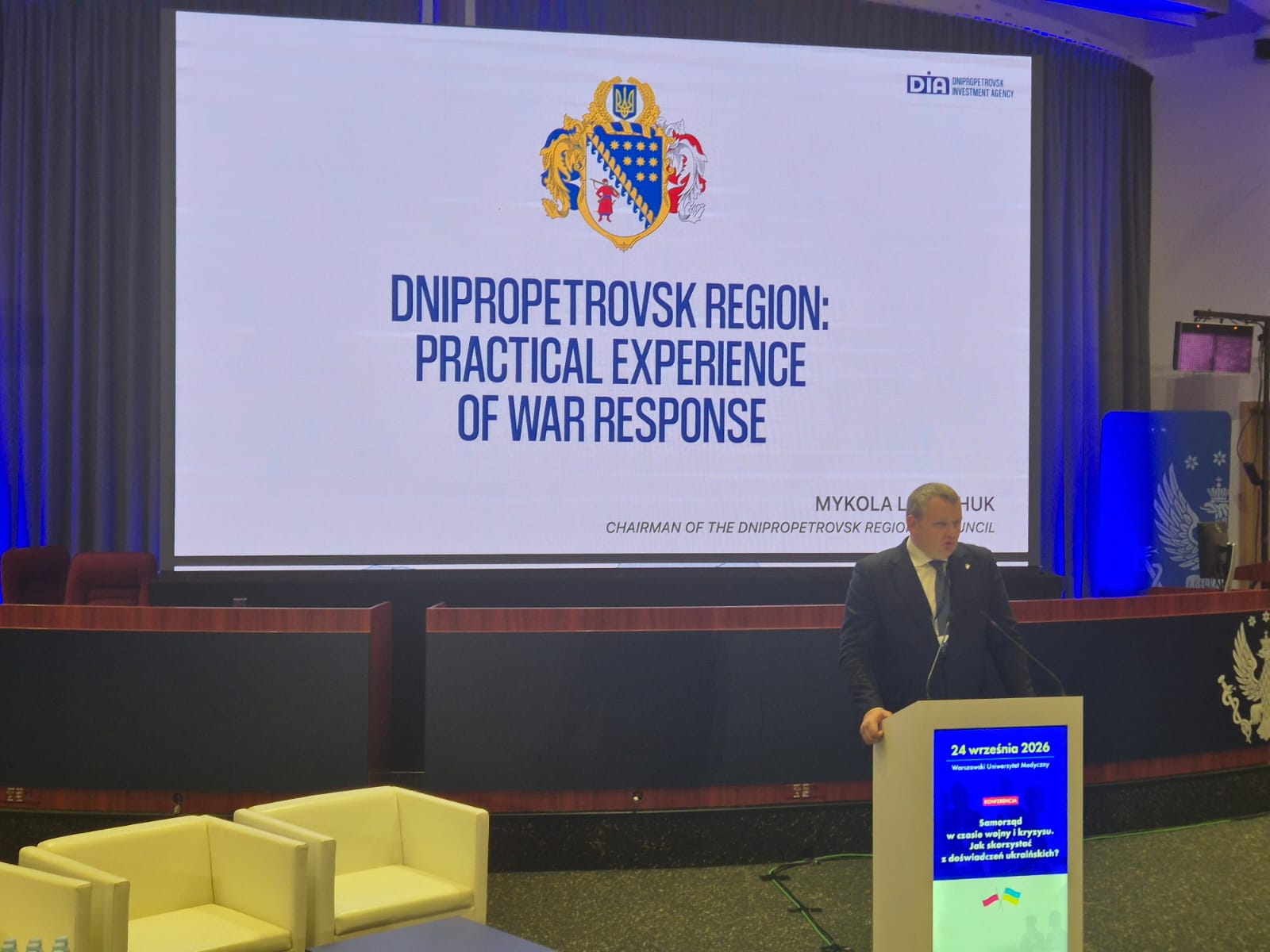
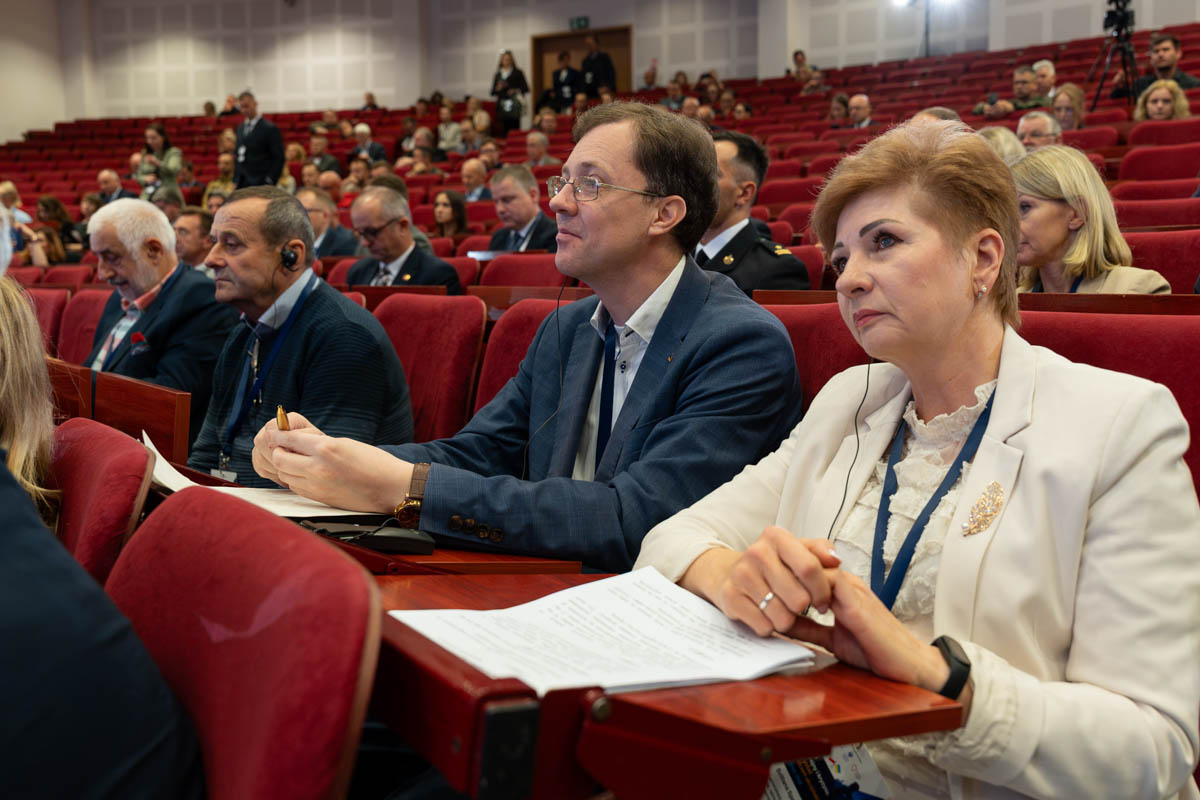
On September 24, the Medical University of Warsaw hosted the international conference “Self-Government in Times of War and Crisis. How to Use the Ukrainian Experience?”. As part of the delegation led by Chairman of the Dnipropetrovsk Regional Council Mykola Lukashuk, Valentyna Zatyshniak, Director of the Dnipropetrovsk Investment Agency, took part in the event.
On the Polish side, participants included Deputy Prime Minister and Minister of Digital Affairs Krzysztof Gawkowski , Secretary of State at the Ministry of National Defence Cezary Tomczyk, Undersecretary of State at the Ministry of Health Katarzyna Kacperczyk, and Vice-President of the Association of Polish Counties Adam Krzysztoń. Ukraine was represented by frontline regions: Dnipropetrovsk, Kharkiv, Kherson, Sumy, and Chernihiv regions.
During the conference, together with Ambassador Extraordinary and Plenipotentiary of Ukraine to the Republic of Poland Vasyl Bodnar and colleagues from Ukraine, we discussed with Polish partners cooperation and our country’s contribution to European security.
The first session focused on the decisions that had to be made in the first hours and days after the start of the full-scale war, the organization of governance in cities and regions, and interaction with central government authorities, relevant services, and residents.
The second part was devoted to organizing evacuation, relocating people, and setting up temporary shelters, as well as protecting the most vulnerable groups of the population: children, the elderly, the sick, and persons with disabilities.
The third session addressed ensuring the continuous operation of government bodies and essential public services, protecting critical infrastructure, and responding to disruptions. Considerable attention was paid to the functioning of education, the social sector, and the healthcare system, as well as maintaining basic services for residents even amid destruction and prolonged disruptions. Another important area was communication with residents in crisis situations, countering information chaos and disinformation, and organizing humanitarian aid.
Mykola Lukashuk spoke in detail about the experience of coordinating territorial communities, receiving evacuees, and how the system operated when the usual plans stopped working. “Ukraine has experience that we did not choose. It shows what works in practice, where the system fails, and what needs to be prepared before a crisis begins,” he said in his speech.
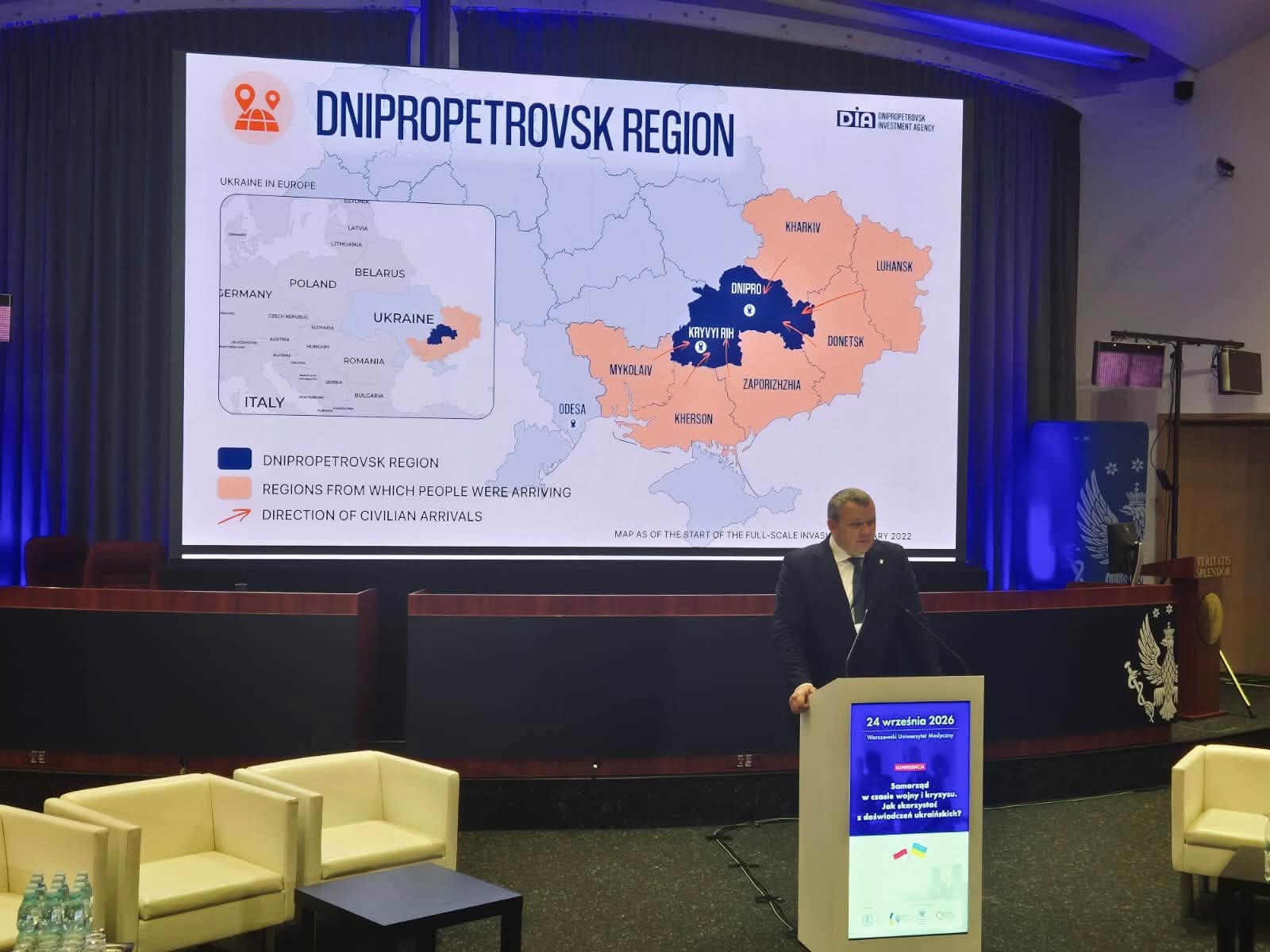
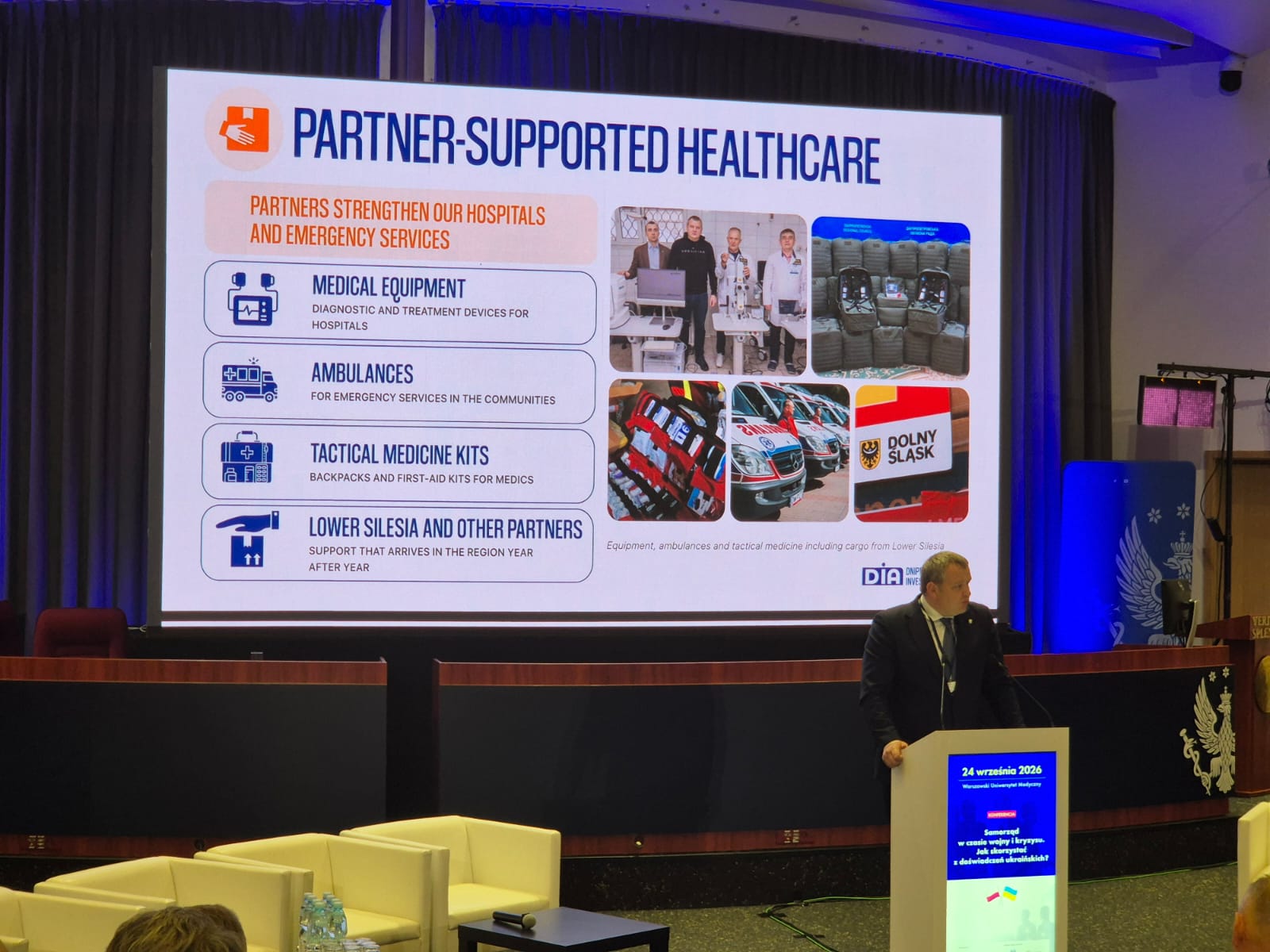
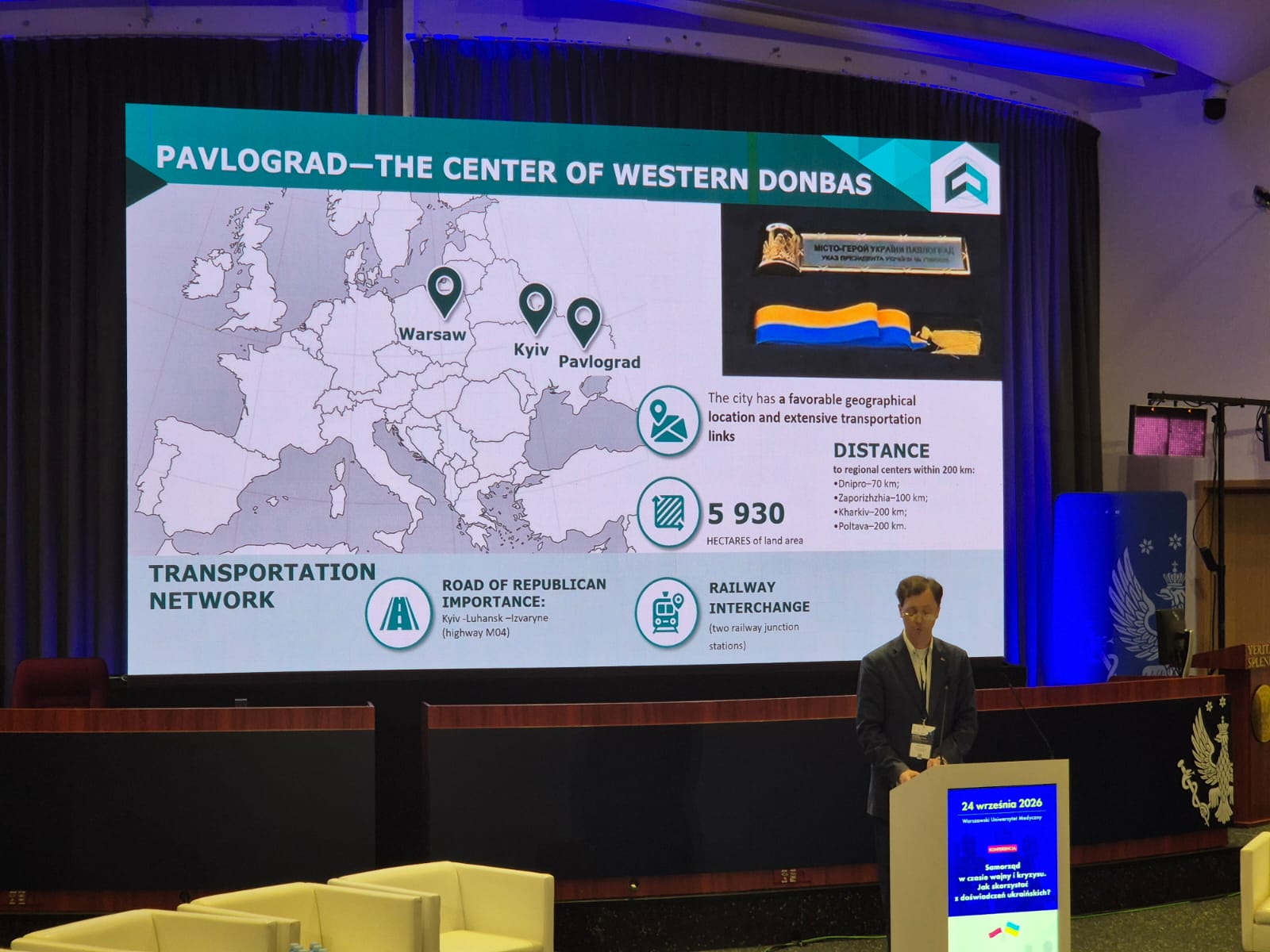
Ukraine plays a key role in European security by holding back russian aggression. The experience of the region’s territorial communities can also help European partners protect people and maintain essential services during crises. Svitlana Spazheva, Head of the Pokrovske Settlement Hromada, spoke about the experience of evacuating residents of her hromada, the challenges they faced, and the decisions they made. Dmytro Pavlov, Head of the Pavlohrad District Council, spoke about the hromadas of Western Donbas.
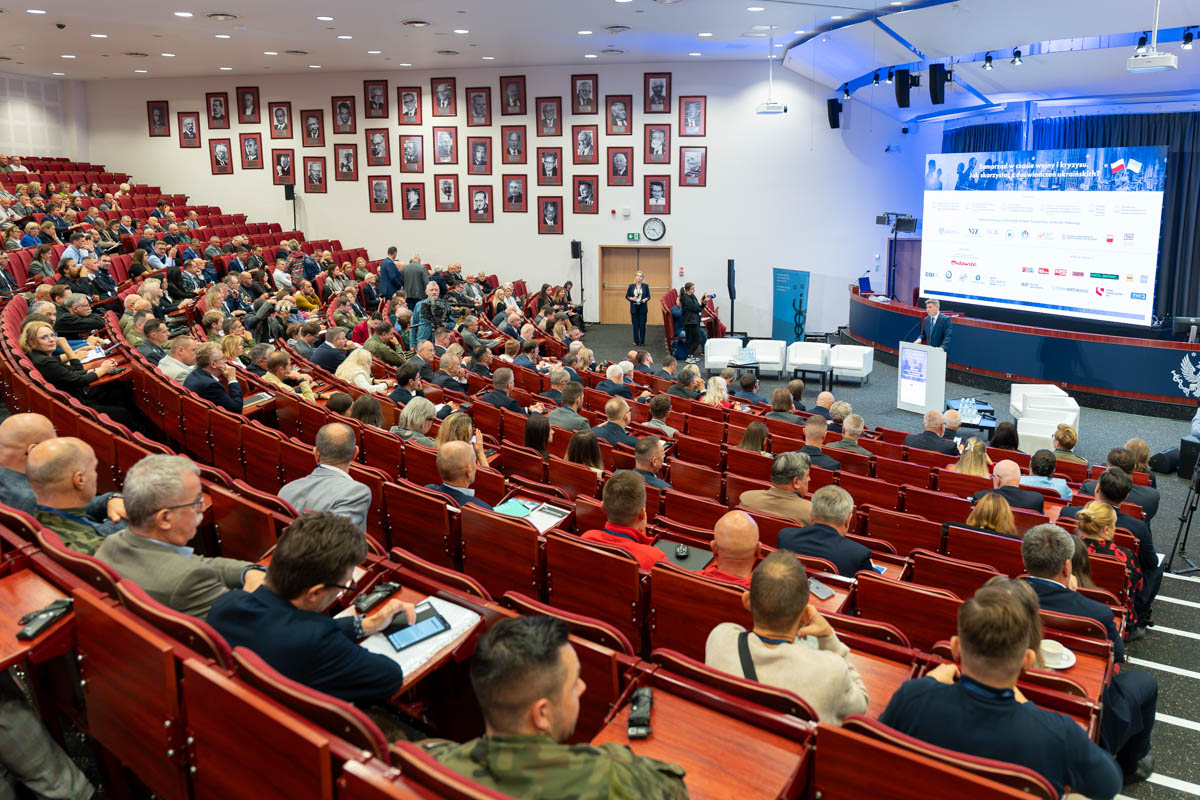
Dnipropetrovsk Region has received hundreds of thousands of people and continues to keep hospitals running and restore water and power supply under shelling. At the conference, participants shared solutions that worked and explained what had to be changed during the war.
It is important that our European partners understand Ukraine’s contribution to their security and maintain their support for our country, and that our experience helps them prepare their communities for threats in advance.
We thank the Embassy of Ukraine in the Republic of Poland, the Medical University of Warsaw, the Association of Polish Counties, and all the organizers and partners of the conference.
Read more about trade and economic relations between Poland and Dnipropetrovsk region via the link.
Source: https://www.facebook.com/nbankr