The Cabinet of Ministers of Ukraine has introduced a differentiated approach to the mandatory retention of non-merchantable wood during fellings, depending on the forest site type, forest category and the zoning of nature reserve fund territories. The relevant resolution, which establishes requirements for biodiversity conservation during fellings, was adopted on 17 September.
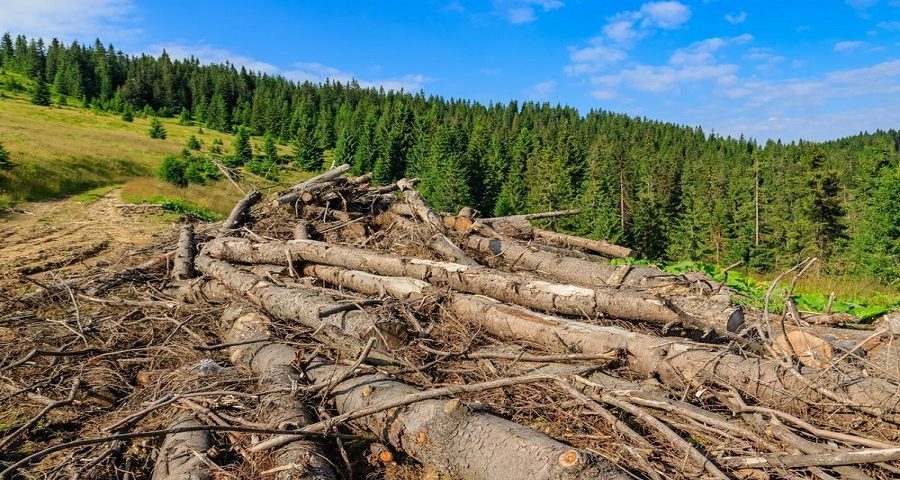
Under the resolution, during selective and gradual final fellings, as well as forest formation and forest health improvement fellings, deadwood and snags (stumps of natural origin) will be left on the site in volumes of 5, 10, 15 or 30 cubic metres per hectare.
It also provides for the retention, where present, of a specified number of standing dead trees. At the same time, hazardous trees that pose a potential or direct threat to workers during logging operations will be felled in accordance with safety and occupational health requirements.
The documentary recording of the actual volumes of deadwood, snags and the number of standing dead trees to be left on sites has been regulated. This will make it possible to clearly determine compliance with the established requirements and to avoid situations where a special permit for the use of forest resources cannot be obtained due to formal non-compliance.
The mandatory retention of 30 cubic metres of non-merchantable wood per hectare could have reduced the volume of merchantable wood available for harvesting in 2027 by approximately 950 thousand cubic metres. This created risks for the supply of raw materials to the woodworking industry, budget revenues and the provision of fuelwood to the population. At the same time, the international forest certification systems FSC and PEFC do not set a universal requirement to leave a specific volume of “deadwood” per hectare in the forest.
The adopted changes are intended to ensure a balance between biodiversity conservation and the sustainable use of forest resources. At the same time, they reduce state regulation of timber harvesting and take into account natural conditions, as well as the intended purpose and functions of forests.
Source: https://www.kmu.gov.ua