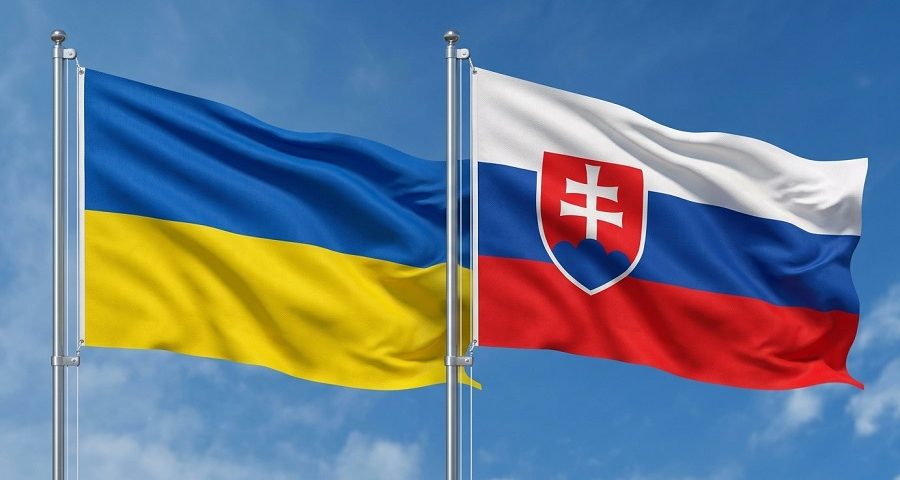
The Dnipropetrovsk Investment Agency DIA offers an overview of the level of interaction between Ukraine and Dnipropetrovsk region with other countries amid the unprovoked military aggression of the russian federation against our state. In this publication, we offer informational material on the support provided by Slovakia and the level of foreign trade, formed on the basis of DIABASE data.
Throughout 2025–2026, Slovakia continued to support Ukraine, focusing its assistance on the humanitarian needs of the civilian population, healthcare, energy resilience, humanitarian demining, equipping shelters, and developing transport connections between the two countries. At the political level, over the past year, the Slovak Republic reaffirmed its support for the sovereignty and territorial integrity of Ukraine within its internationally recognized borders and officially supports Ukraine’s accession to the European Union.
Humanitarian assistance was particularly noticeable throughout 2025. According to official data from the Ministry of Foreign and European Affairs of the Slovak Republic, material assistance alone to Ukraine in 2025 exceeded €1.5 million. It included two containerized water purification units, a tent camp designed for 250 people, generators, solid-fuel stoves, disinfectants, IT equipment, clothing, shelf-stable food products, and other equipment for the war-affected population.
Medical assistance formed a separate area of support. In 2025, Slovakia purchased medical equipment for Ukraine worth over €343,000. In addition, two humanitarian projects worth a total of €400,000 were funded through SlovakAid, aimed at providing and improving medical and psychological assistance to war-affected individuals and other vulnerable population groups. In June 2026, modern Slovak medical equipment was transferred to the Military Medical Clinical Center in Vinnytsia. The Slovak side simultaneously confirmed the continuation of programs in healthcare, the restoration of energy infrastructure, the equipment of protective structures in schools and kindergartens, and humanitarian demining.
Assisting in creating safe conditions for children’s education also became an important area. In 2025, the country allocated €300,000 for the modernization and reconstruction of shelters in educational institutions of the Sumy and Chernihiv regions. Furthermore, the country joined the international Shelter Coalition, focusing its participation primarily on protective structures in schools located in high-security-risk areas.
One of the most significant areas of Slovak-Ukrainian interaction was energy. In 2025, Slovakia exported over 2,000 GWh of electricity to Ukraine, and provided more than 60 GWh of emergency assistance during crisis situations. It is important to distinguish between these metrics: commercial electricity exports do not constitute humanitarian aid, whereas emergency supplies represent a separate mechanism for maintaining the stability of the Ukrainian energy grid.
At the end of 2025, the Slovak Republic provided an additional €500,000 for winter energy assistance to Ukraine. The funds were primarily directed toward generators, transformers, and other components necessary for the operation of damaged energy infrastructure. As early as January 2026, the value of emergency electricity supplies from Slovakia exceeded €1.2 million, whereas for the entire year of 2025, their cost amounted to approximately €430,000.
A broader European initiative is also being implemented. Slovakia received €101 million under the Ukraine Investment Framework to support four critical energy infrastructure projects in Ukraine, scheduled for implementation over a 36-month period.
Another characteristic area of Slovak assistance is humanitarian demining. The country continued supplying Ukraine with Slovak remotely operated Božena demining machines. In 2025, the provision of additional new-generation equipment was agreed upon, with production scheduled for completion in 2026. This machinery is used to clear areas contaminated with explosive hazards and reduce risks for sappers.
Ukraine and Slovakia are also developing cooperation in the transport sector. The parties are working to modernize road and rail border crossing points along their shared border, as well as improve rail connections and transport routes, which should facilitate faster movement of passengers and cargo and foster the development of bilateral trade.
A distinct area of Slovak support in 2026 was assisting Dnipro in strengthening its energy resilience. As part of the public initiative “Teplo pre Ukrajinu” (“Warmth for Ukraine”)—launched by the Embassy of Ukraine in Slovakia in cooperation with the Donio Foundation, the Ambrela platform, and leading Slovak public and charitable organizations—backup power equipment was transferred to the city. In February, Dnipro received 11 units of equipment, including generators, inverter and battery units, as well as a high-capacity diesel power generator setup. In May 2026, Slovak partners delivered another powerful backup generator system to the city with the participation of the humanitarian organization Človek v ohrození (“People in Need”). Overall, the “Teplo pre Ukrajinu” campaign mobilized over €1.48 million in donations from nearly 27,000 donors in Slovakia, with Dnipro being one of the cities directly receiving the purchased energy equipment.
Stable economic ties remain between Slovakia and the Dnipropetrovsk region. Based on the results of the first 9 months of 2025, exports of goods from the region to Slovakia amounted to $345.6 million, accounting for 8.0% of the region’s total exports. Compared to the same period in 2024, the supply volume decreased by 12.8%. Products in demand among Slovak consumers include ores, slag, railway locomotive parts, machinery and equipment, ferrouse metals and products thereof.
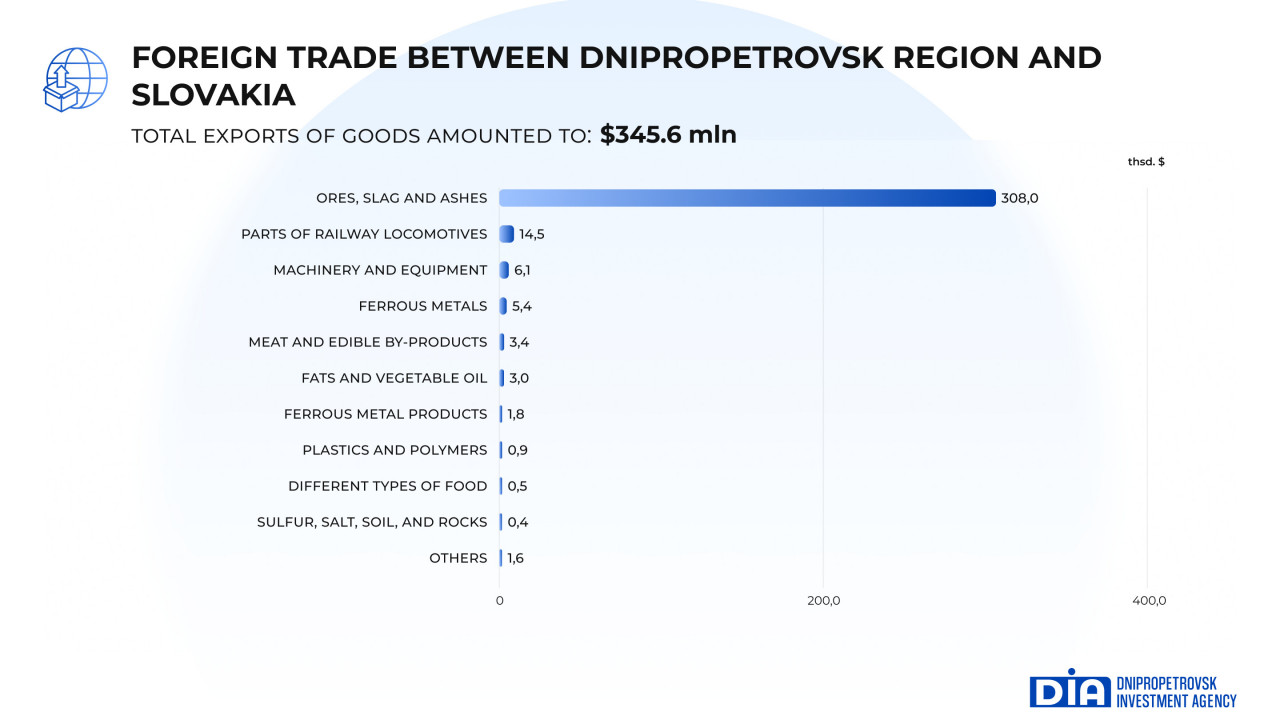
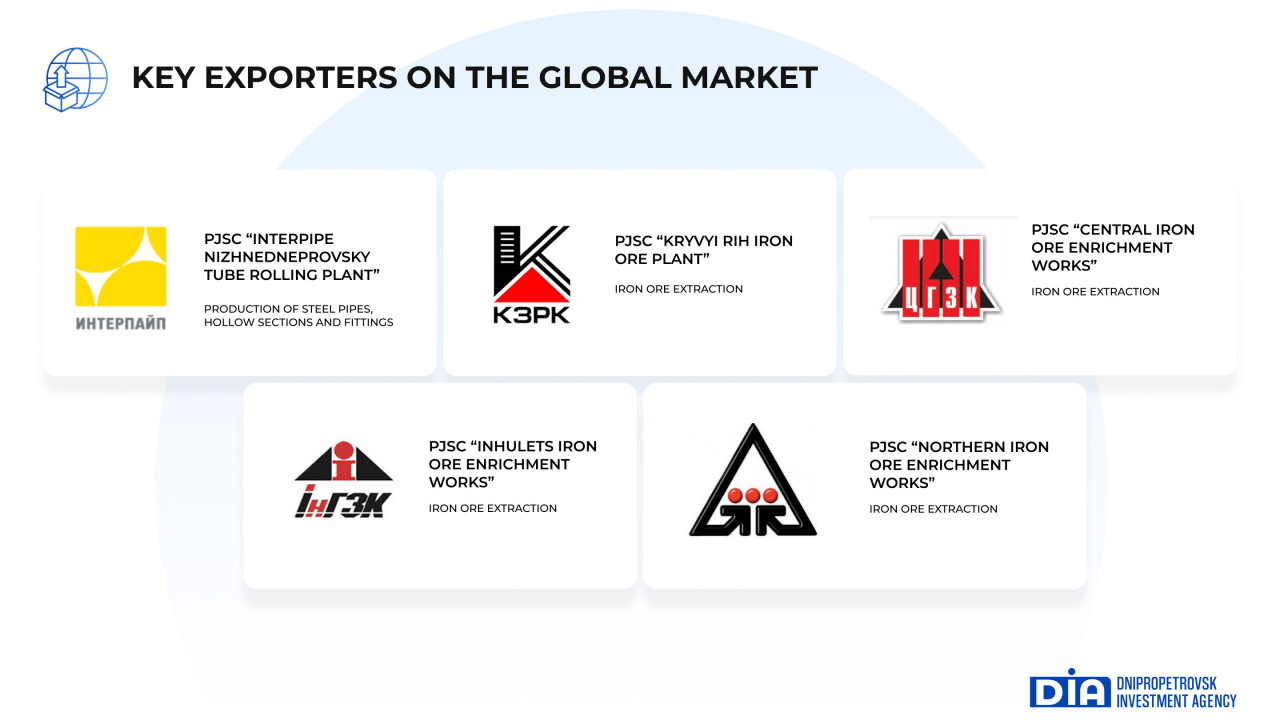
Export operations were carried out by more than 70 enterprises from the Dnipropetrovsk region. The primary exporting companies are enterprises of the mining and metallurgical complex, processing industry, and machine-building sector.
TOP 5 Exporting Enterprises:
Imports of Slovak goods to the region amounted to $38.6 million, and the positive trade balance for the Dnipropetrovsk region exceeded $307 million. Slovakia remains one of the leading European export markets for products from the Dnipropetrovsk region. Historically, the region has imported: machinery and equipment, ferrous metals, plastics and polymers, pharmaceutical products, paper and paperboard and other goods.
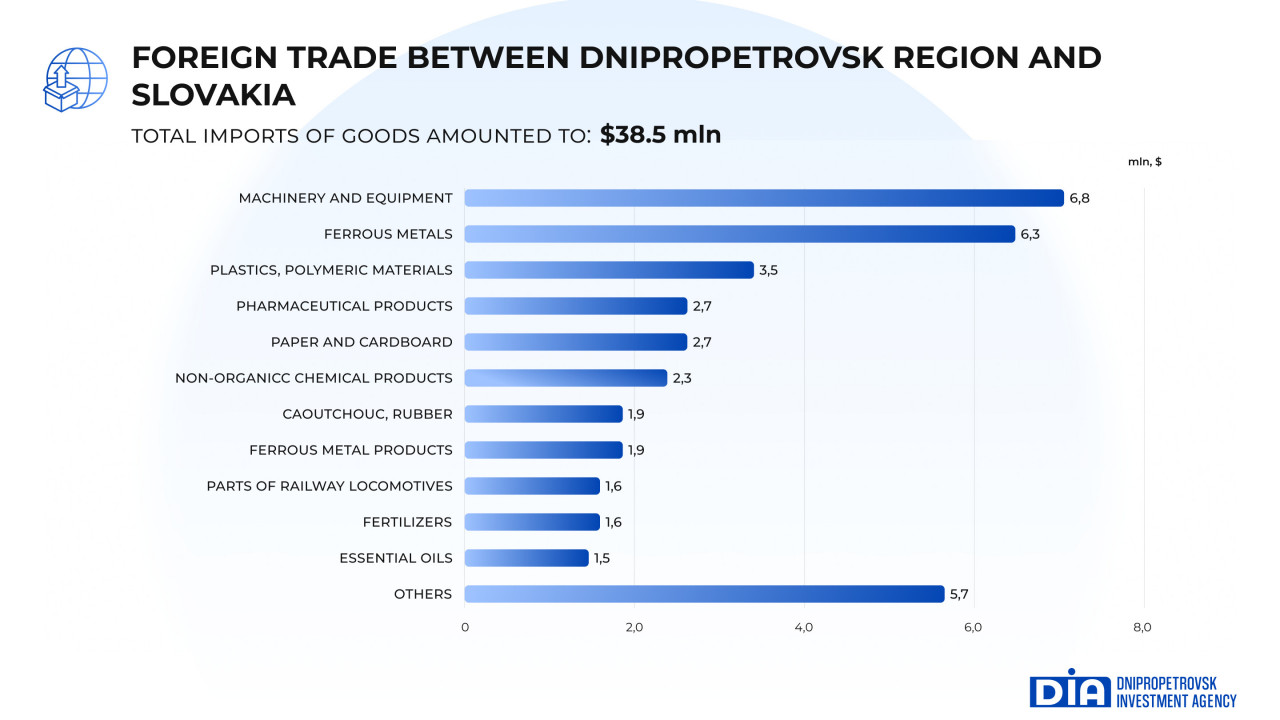
Import operations were conducted by over 140 importing enterprises.
TOP 5 Importing Enterprises (ranked by volume of imported products):
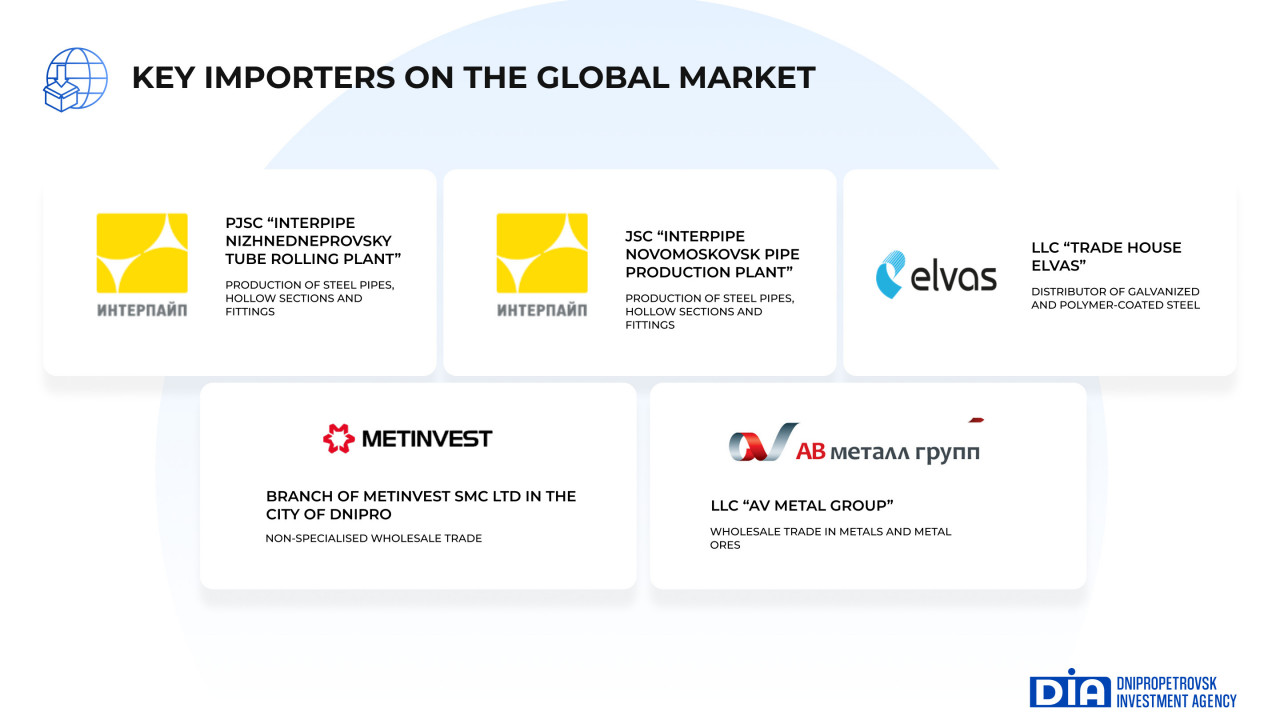
Import operations were primarily carried out by trading, metallurgical, processing, and machine-building enterprises.
Source: information for the preparation of this article was taken from open online sources