Ukraine has updated the National Energy and Climate Plan (NECP) for the period up to 2030, taking into account the needs of economic recovery, strengthening energy security, and EU accession. The updated document defines the priorities of state policy in the areas of energy and climate for the coming years. The relevant decision was approved by the Cabinet of Ministers of Ukraine at its meeting on 10 June 2026.
The NECP is aimed at fulfilling Ukraine’s international commitments under the European Union’s Ukraine Facility programme and incorporates recommendations of the European Commission set out in Ukraine’s 2025 EU Enlargement Package Progress Report.
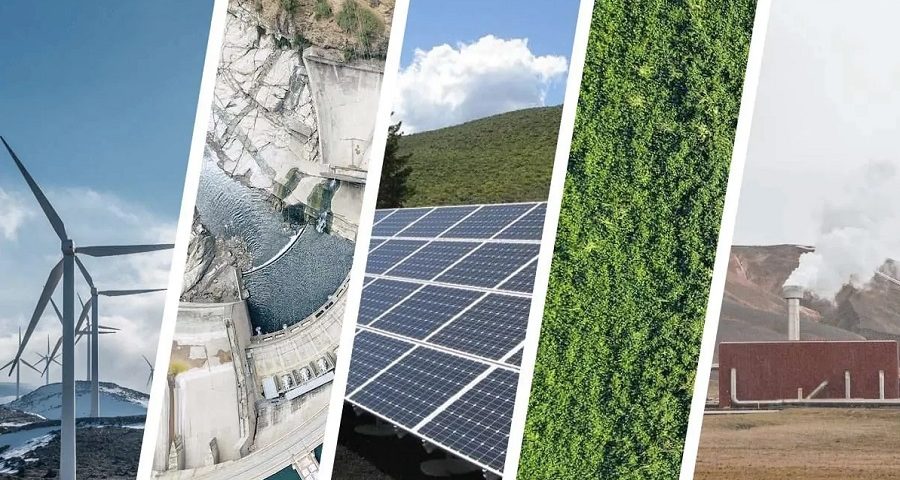
The National Energy and Climate Plan covers key areas of state policy across five dimensions: decarbonisation (including renewable energy), energy efficiency, energy security, the internal energy market, and research, innovation and competitiveness.
The updated document is a synthesis of all policies and strategies in the field of energy and climate, and also contains modelling that demonstrates the achievability of the defined targets. Going forward, the NECP is intended to serve as the basis for the formation of investment projects in the fields of energy and climate.
Following the adoption of the document in June 2024, Ukraine committed to updating the NECP in light of wartime realities, as well as the dynamic changes in policies and the intensification of the EU accession negotiation process. The updated version takes into account current challenges facing the energy sector, the needs of critical infrastructure recovery, and more clearly defined decarbonisation objectives — in particular, on the path to climate neutrality of the economy by 2050.
The revision also concerns the analytical section of the NECP, including scenarios based on updated assumptions regarding economic development, demographics, infrastructure damage, foreign trade, and global energy prices; modelling results using the TIMES-Ukraine tool have been aligned with the second Nationally Determined Contribution and long-term low-carbon development scenarios. The team of the DiXi Group think tank contributed to the development and revision of the NECP.