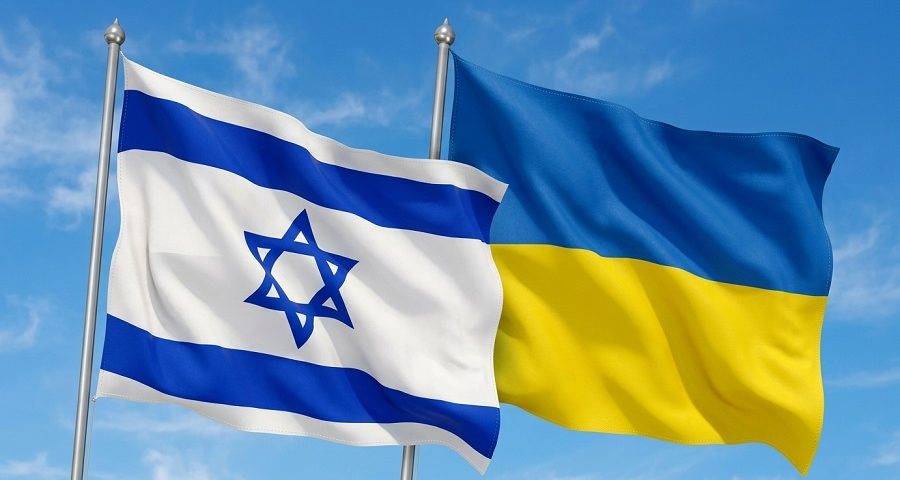
Dnipropetrovsk Investment Agency DIA presents an overview of the level of cooperation between Ukraine and Dnipropetrovsk region and other countries amid russia’s unprovoked military aggression against our state. This publication provides information on the support provided by Israel and on the level of foreign trade, prepared on the basis of DIABASE data.
During the full-scale war, Israel has supported Ukraine primarily in the humanitarian sphere: it assists medical facilities, supplies water purification and backup power equipment, and trains Ukrainian specialists.
A key role in this work is played by MASHAV, Israel’s Agency for International Development Cooperation at the Ministry of Foreign Affairs of Israel. The Agency offers Israeli expertise in medicine, water resource management, emergency response and psychological rehabilitation. In particular, Ukrainian doctors take rehabilitation courses at MASHAV.
In 2026, one of the main areas of assistance has been the energy resilience of communities. On February 25, the Embassy of Israel in Ukraine and the Israeli agency handed over 117 portable backup power systems with a total capacity of 600 kW to the Kyiv Regional Military Administration. This transfer was the result of negotiations between the foreign ministers of the two countries. The systems will be installed in hospitals, shelters and Invincibility Points at schools, boiler houses and water intake wells.
Israel is also sharing its experience in water purification and reuse. In October 2025, the Embassy of Israel and MASHAV handed over a water purification unit to the Kyiv Regional Clinical Hospital, and on December 30, a drinking water purification system to the community of the Vorzel settlement in the Kyiv Region.
Assistance has also reached the Dnipropetrovsk region. In 2024–2025, the charitable organization “Israeli Medical Mission,” which distributes cargo from international donors, supported medical facilities in the region. On December 23, 2024, the Municipal Non-Profit Enterprise “Kamianske Multidisciplinary Hospital” of the Kamianske City Council received pressure monitoring tubes, safety needles and pediatric oxygen masks, and later another batch of aid. The Dnipropetrovsk Regional Medical Center for Socially Significant Diseases also received assistance.
Attracting direct investment into the economy of the Dnipropetrovsk region remains a promising area of Ukrainian-Israeli cooperation. Israel’s significant technological potential, particularly in agriculture, medicine and energy, creates opportunities for developing joint investment projects. At the same time, Israeli business is already present in the region: 40 companies with Israeli capital operate in the region, and the volume of attracted investment exceeds $5.4 million.
Trade and economic cooperation with Israel remains an important area of the Dnipropetrovsk Region’s foreign economic relations. Despite the decline in export volumes, the Israeli market retains its importance for regional producers and its potential for further development of bilateral trade.
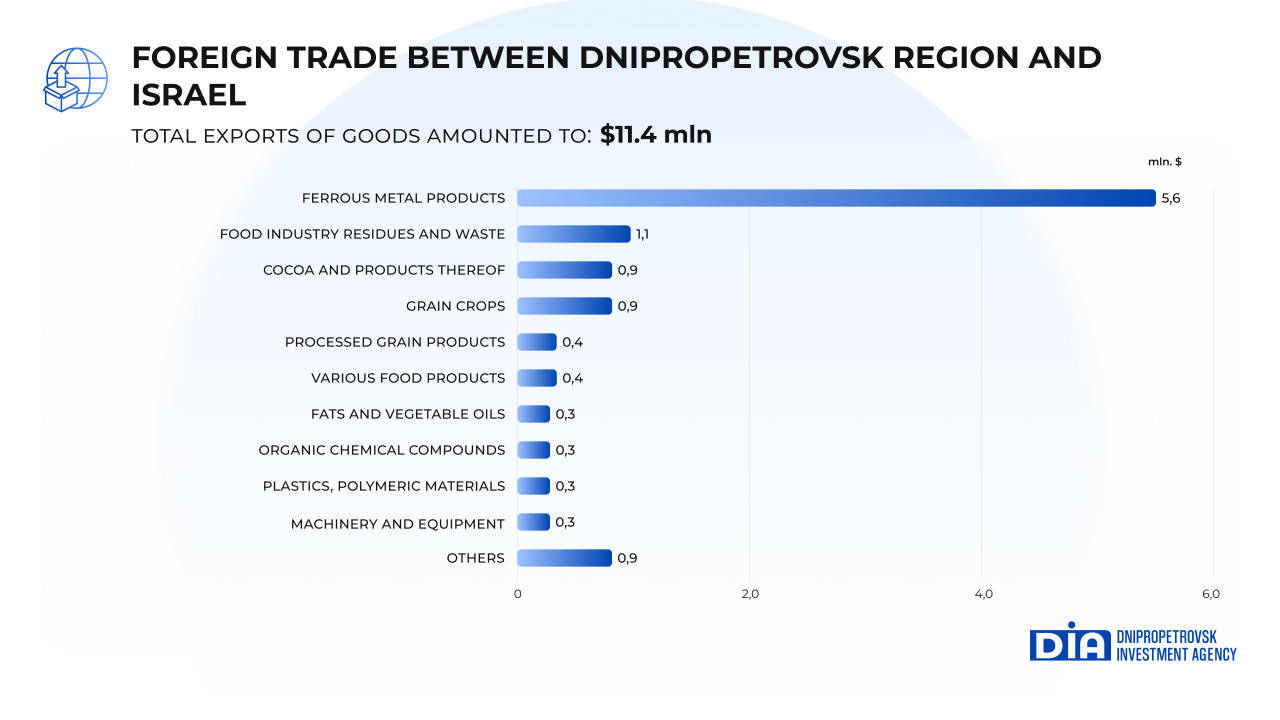
Based on the results of 9 months of 2025, exports of goods from the Dnipropetrovsk region to Israel amounted to USD 11.4 million, which is 63% less than in the same period of 2024. Export supplies were mainly made up of articles of iron or steel, residues and waste from the food industry, cocoa and cocoa preparations, cereals, etc.
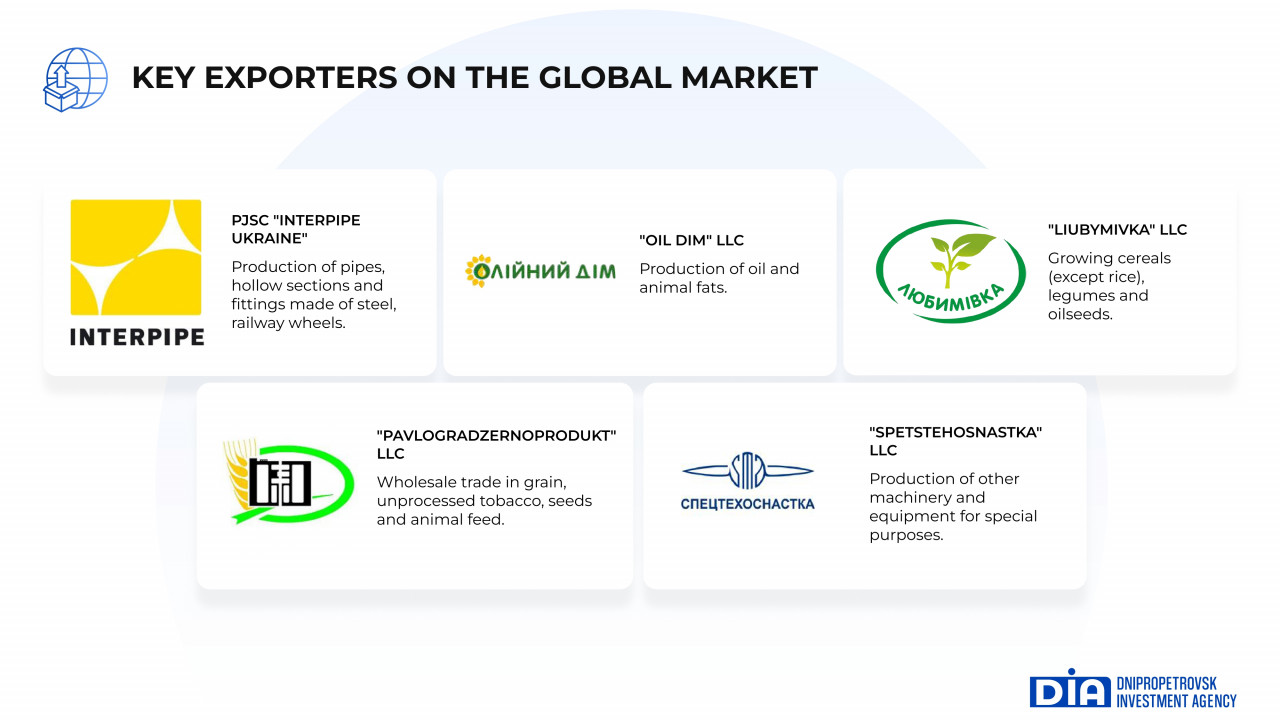
Export operations were carried out by more than 50 enterprises from the Dnipropetrovsk region. The main exporting companies are metallurgical, machine-building, chemical, food and processing enterprises.
TOP-5 exporting enterprises (ranked by volume of exported products):
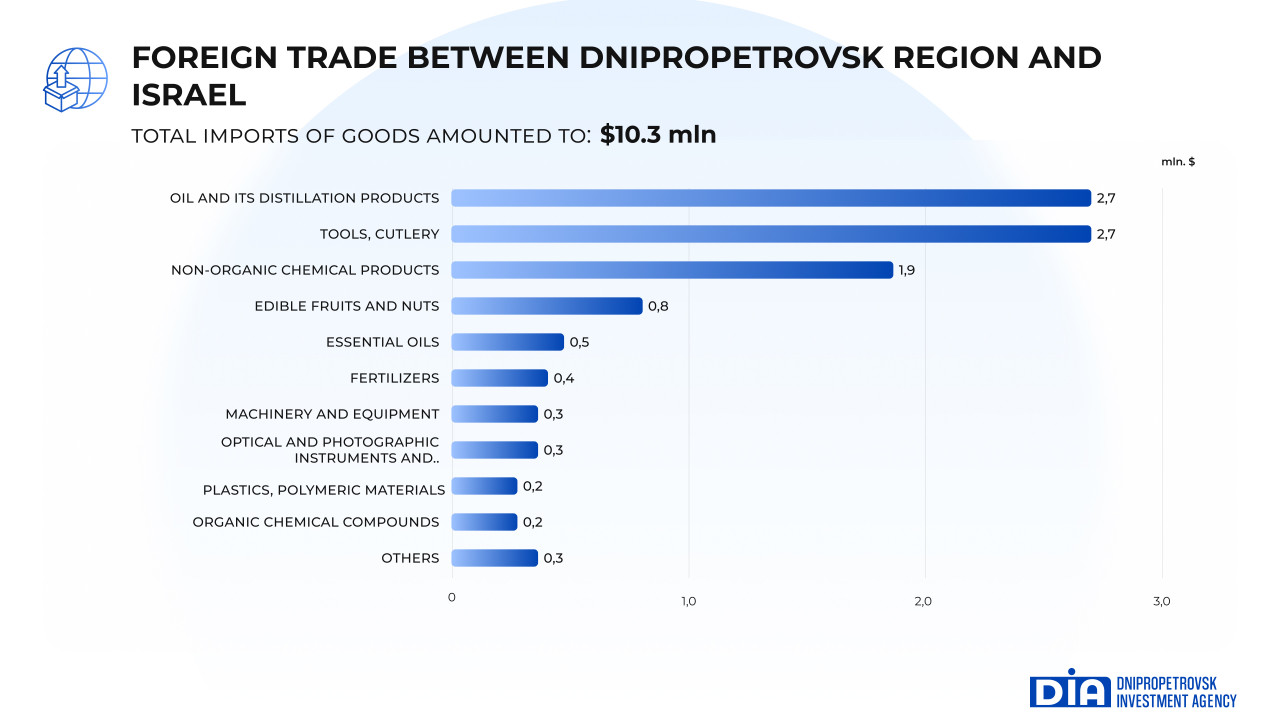
Imports of goods from Israel to the Dnipropetrovsk Region amounted to $10.3 million and decreased compared to the same period of 2024 by a factor of 2.3 [by 25%]. The Dnipropetrovsk Region traditionally purchased: petroleum and products of its distillation, tools, cutlery, inorganic chemicals, edible fruits and nuts, essential oils, etc.
Import operations were carried out by more than 60 importing enterprises.
TOP-5 importing enterprises (ranked by volume of imported products):
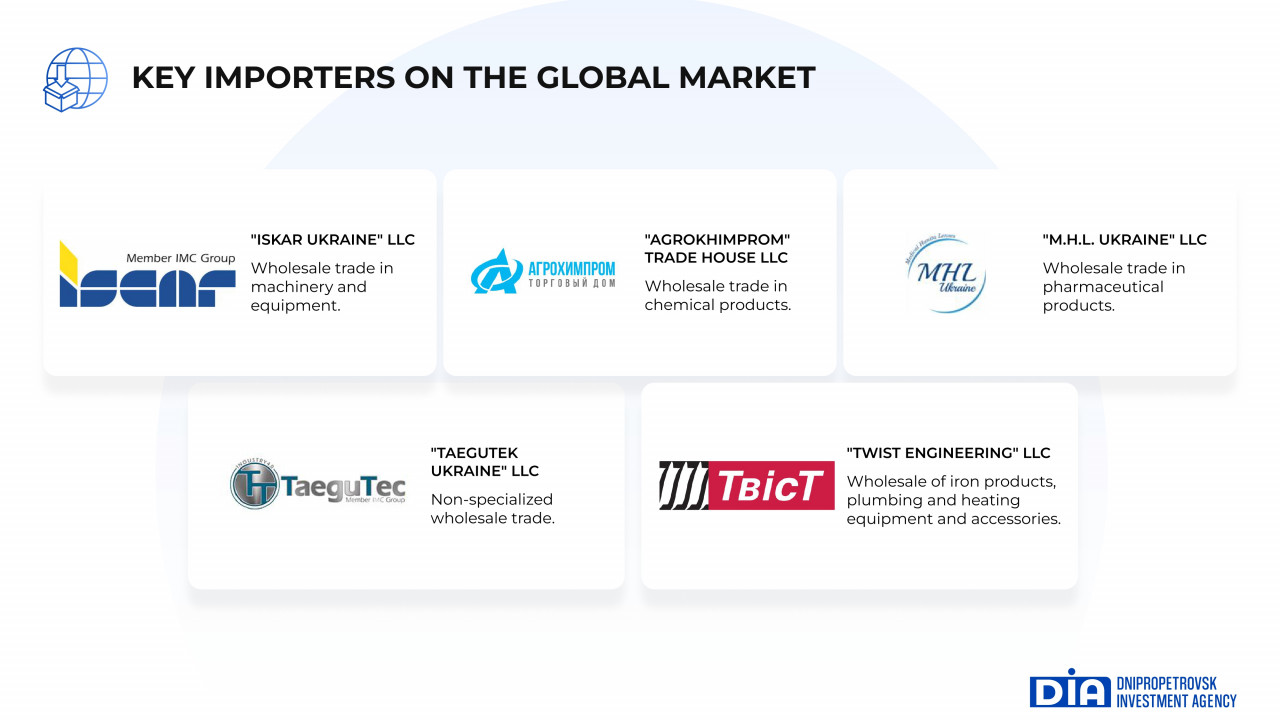
Import operations were mainly carried out by trading, chemical and processing enterprises.
Source: information for this article was obtained from open online sources.