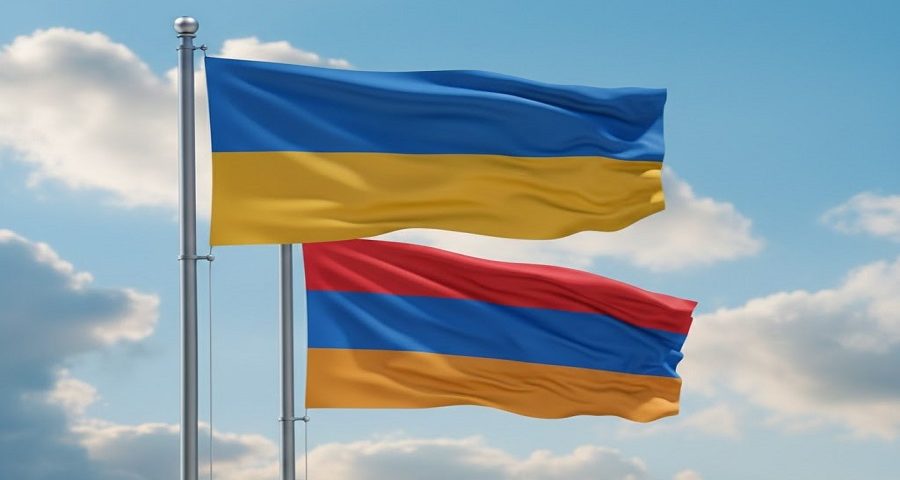
Dnipropetrovsk Investment Agency keeps introducing about the level of Ukraine and Dnipropetrovsk region cooperation with other countries amid the unprovoked military aggression by the russian federation. For now, we propose an overview of the assistance provided by Armenia and the foreign trade volume figures, which is derived from DIABASE data.
The support provided by Armenia to Ukraine in its war against Russia is largely humanitarian and civic in character: without excessive publicity, but through concrete steps that strengthen the resilience of people and institutions. Such assistance was practical and focused primarily on social and medical needs, and was implemented through a combination of diplomatic opportunities and the active participation of the Armenian community in Ukraine. The main focus was on two areas: supporting education by providing children and educational institutions with equipment for distance learning, and medical care – delivering necessary supplies and equipment to hospitals and military hospitals that treat the wounded and depend on regular deliveries. In addition, humanitarian support was extended to Ukrainians temporarily staying in Armenia through initiatives and partnership programs aimed at meeting basic needs and facilitating adaptation.
At the same time, aid is not measured only in boxes and tons: diplomatic signals, participation in international accountability mechanisms, and voting on global platforms that shape the political context in support of Ukraine play an important role. In 2025, Armenia voted in favor of a resolution in the UN General Assembly that explicitly mentioned Russian aggression against Ukraine (and, more broadly, “security challenges” for Europe).
Armenia became a member state of the International Criminal Court on February 1, 2024 – a politically sensitive move in the context of the International Criminal Court’s orders against russia and the general issue of responsibility for war crimes and the illegal transfer of Ukrainian children. This is beneficial for Ukraine in that it expands the circle of countries where International Criminal Court decisions have practical force: international pressure is growing, opportunities for safe travel for those involved in the cases are narrowing, and the issue of responsibility for russia is receiving additional support at the international level.
In 2024, foreign trade between Ukraine and Armenia remained at the 2023 level, with a volume of $93.9 million. This indicates strengthening economic ties between the two countries and creates a basis for further cooperation. The main areas of export from Ukraine to Armenia are:
Main goods imported from Armenia to Ukraine:
The fact that trade between Ukraine and Armenia stayed at the same level as last year shows that both countries are still interested in developing economic relations and keeps the potential for new business opportunities for both countries open.
Investments from Armenia in Ukraine amount to $5.6 million, which continue to operate even during the wartime.
The development of mutually beneficial trade and economic cooperation also remains important for Dnipropetrovsk region. Despite the small volume of foreign trade with the Republic of Armenia, this country is a promising trading partner for the region.
Armenian companies mainly purchase meat and edible by-products, electrical machinery, fats and vegetable oils, machinery and mechanisms and others. The volume of exports of goods from Dnipropetrovsk region amounted to $7.7 million and decreased by 8.2% compared to 2023. Dnipropetrovsk region accounts for 10.2% of total Ukrainian exports to Armenia.
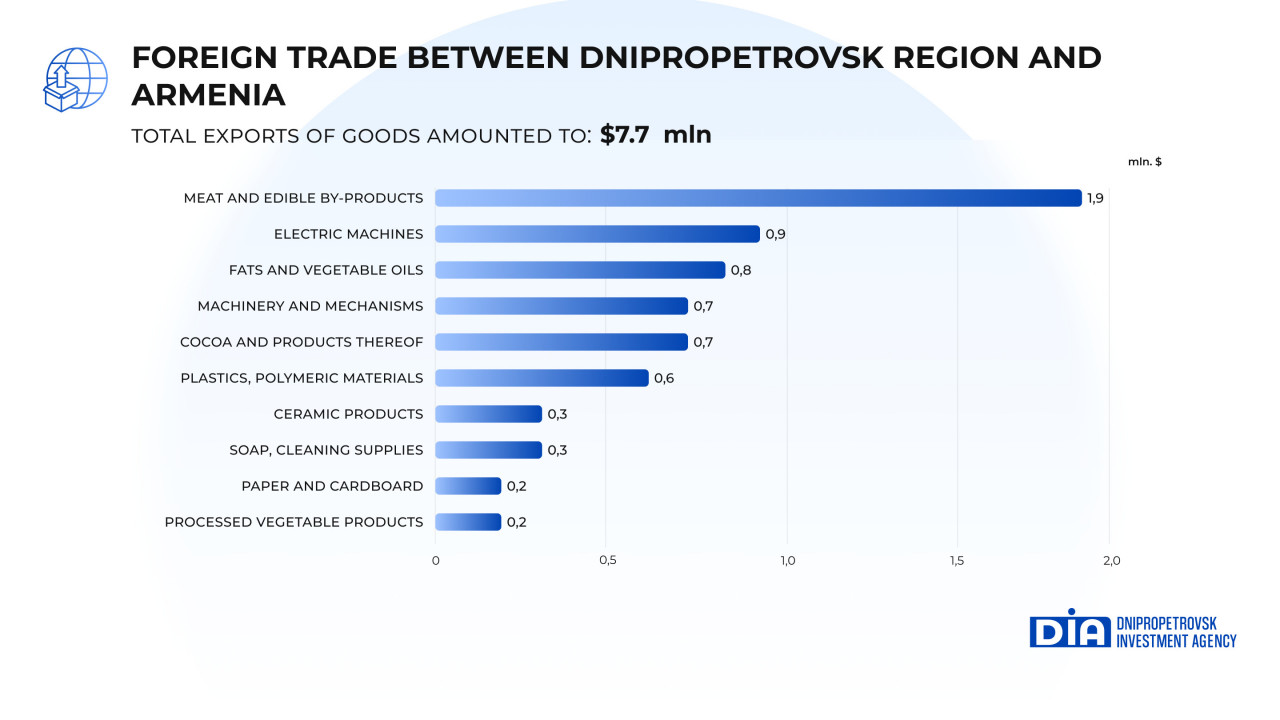
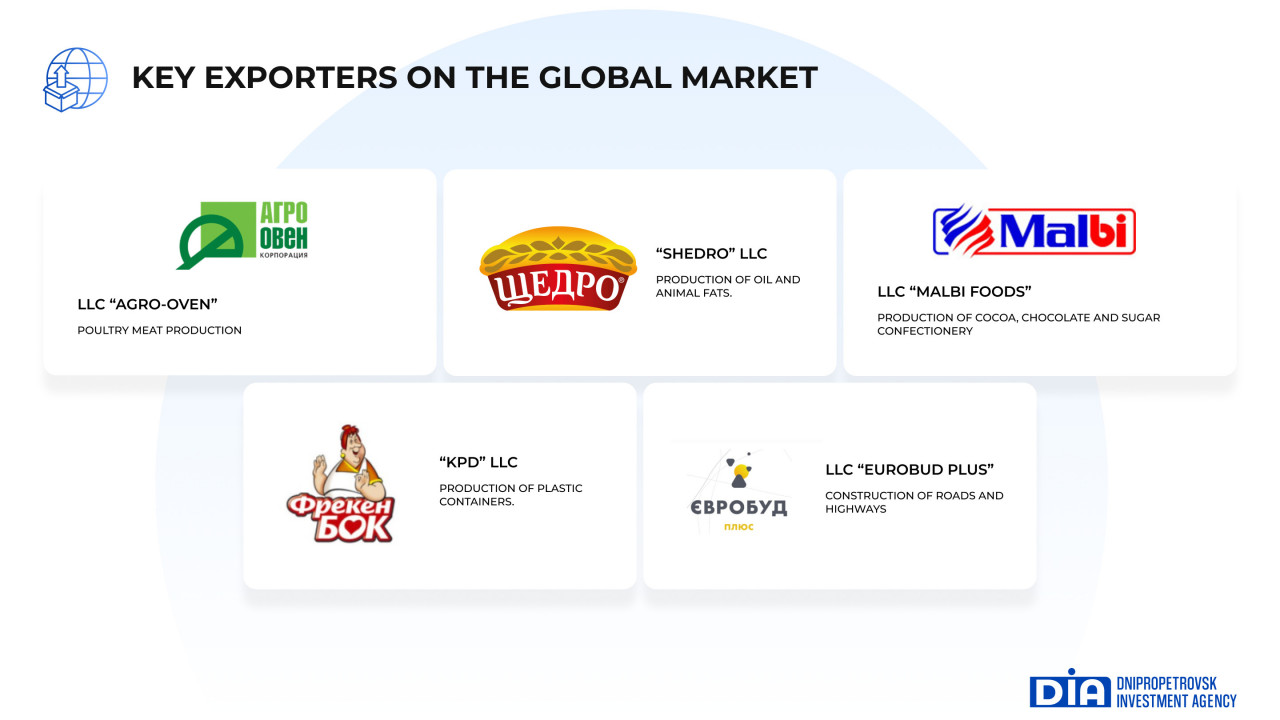
More than 50 enterprises in Dnipropetrovsk region exported their products to the Armenian market, including enterprises in the mechanical engineering, processing and food industries.
Imports of goods from Armenia to Dnipropetrovsk region increased by 13.5% compared to 2023 and amounted to $5.2 million.
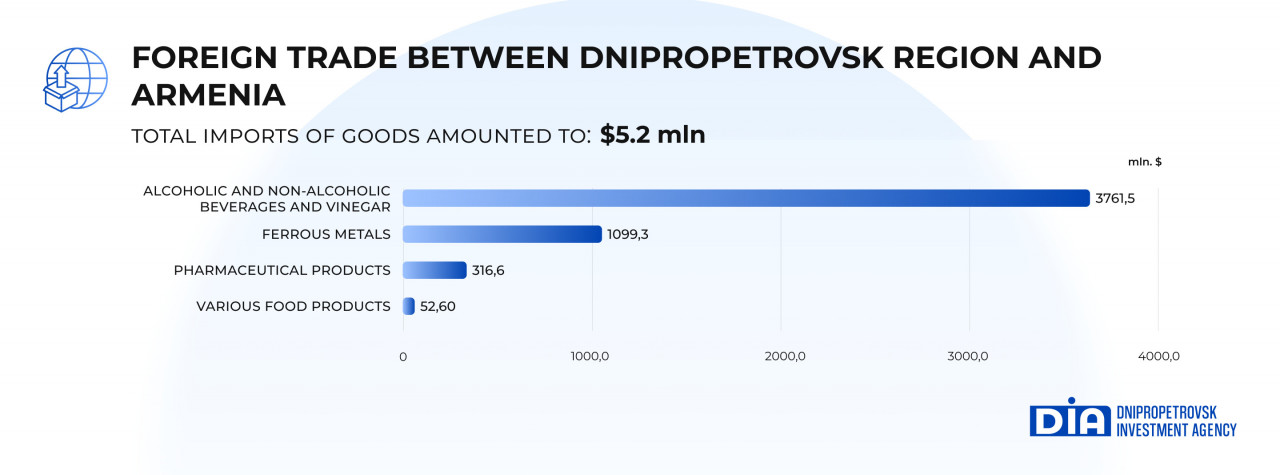
Four import companies in the region purchased the most Armenian goods, namely alcoholic and non-alcoholic beverages, ferrous metals and others.
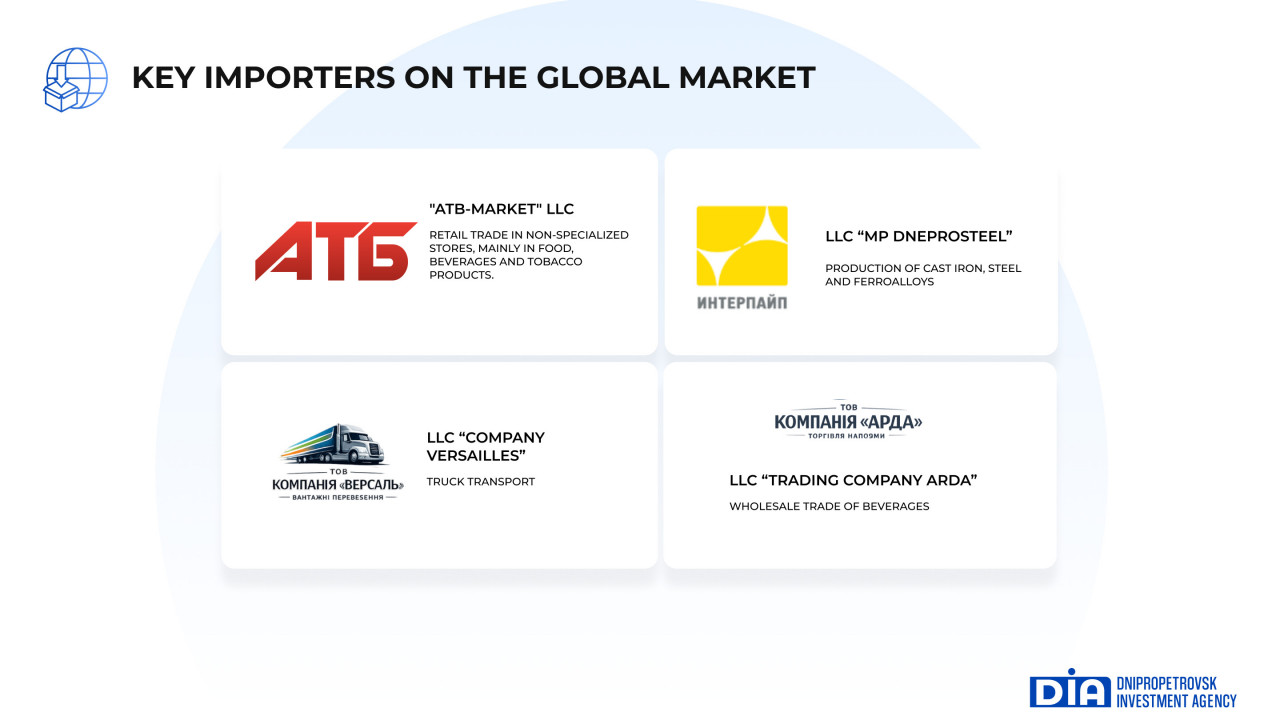
Import operations were mainly carried out by metallurgical, trading, and transport companies.
Source: the information for this article was taken from open online sources.