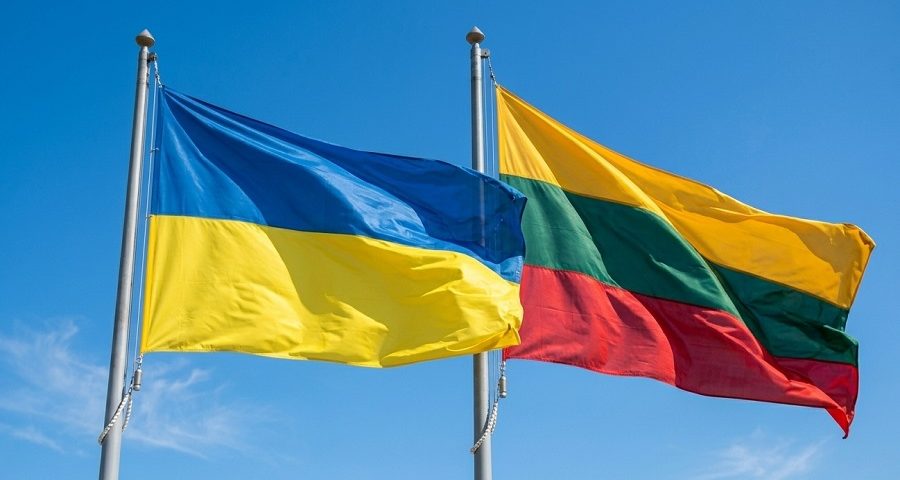
Dnipropetrovsk Investment Agency keeps introducing the level of cooperation between Ukraine, Dnipropetrovsk region and other countries amid the unprovoked military aggression of the russian federation against our state. In this publication, we offer an overview of the support provided by the Republic of Lithuania and the volume of foreign trade, based on DIABASE data.
The Republic of Lithuania has been one of the most consistent and principled partner states of Ukraine since the start of the full-scale war; its support goes beyond words, it maintains a long-term commitment through the provision of weapons, training, investments in Ukraine’s defense industry, the reconstruction of schools and shelters, and sustained pressure on russia through sanctions. For Vilnius, supporting Ukraine is not just a matter of solidarity, but also a matter of its own security. The country allocates at least 0.25% of its GDP annually to the defense and security needs of Ukraine.
The most visible aspect of Lithuania’s support is military aid. Since the start of the full-scale war, Lithuania has already provided more than $1 billion in military aid and has allocated $255 million in support for self-defense through 2026. The Republic of Lithuania has supplied Ukraine not with symbolic items, but with combat-ready equipment. At various times, this has included NASAMS launchers, Mi-8 helicopters, L-70 anti-aircraft guns with ammunition, M113 and M577 armored vehicles, millions of rounds of ammunition, anti-drone systems, drones, thermal imaging equipment, radar sets, mortar rounds, camp beds, dry rations, generators, and other equipment needed by both the front and back lines.
It is worth highlighting a new approach that Lithuania itself describes as, in effect, direct investment in Ukraine’s defense-industrial potential. As of February 2026, $38 million has already been allocated under the so-called “Lithuanian model” for the production of long-range drones for the Armed Forces of Ukraine, with an additional $12 million planned for 2026. At the same time, Lithuania has joined in funding urgent international mechanisms: it has committed $35 million to the Patriot Initiative, $29 million to the PURL fund for critically needed capabilities, and previously also contributed to the Czech initiative for the procurement of ammunition and to the NSATU program.
Another key element is training and knowledge transfer. Lithuania trains Ukrainian military personnel, contributes to the training of military brigades, participates in the Nordic-Baltic Task Force LEGIO initiative, and is developing cooperation with Ukraine in the field of air defense. In March 2026, the Lithuanian side separately announced its intention to strengthen the exchange of expertise specifically in air defense and to develop cooperation in the defense industry. In addition, Lithuania remains involved in training Ukrainian military personnel in demining.
Lithuanian aid is not limited to the front lines. Its contribution to the resilience of civilian infrastructure, particularly the energy sector, is highly significant. Lithuania ranks among the top five EU countries supplying generators to Ukraine and is the second-largest supplier of transformers. Lithuania has allocated over $83 million to support the Ukrainian energy sector, focusing on equipment for emergency repairs and long-term energy security solutions. In addition to the equipment and tools needed to repair and restore energy infrastructure (autotransformers, transformers, generators, compressors, and other equipment), Lithuania also supports decentralized energy production using renewable energy sources, particularly solar energy.
Political and legal support is no less important. Lithuania has consistently advocated for tougher sanctions against russia and belarus, supports the use of russian assets for the benefit of Ukraine, backs the establishment of a special tribunal for the crime of aggression, and emphasizes that peace cannot be built at the expense of weakening Ukraine. In November 2025, Lithuania officially joined the special tribunal on the crime of aggression against Ukraine. In March 2026, the European Commission also confirmed Lithuania’s additional contribution of $11.6 million to the Ukraine Facility.
In 2025 and early 2026, the Honorary Consulate of the Republic of Lithuania in Dnipro, led by Vitalii Pivnyak, was involved in a number of practical initiatives in the medical, humanitarian, cultural, and diplomatic spheres. In particular, in 2025, with his participation, visits by Lithuanian medical delegations to Dnipro took place to exchange experience in the treatment of the wounded, rehabilitation, and mental health, as well as a working visit by Lithuanian Minister of Health Marija Jakubauskienė. The program included visits to Superhumans, City Clinical Hospital No. 4, Mechnikov Hospital, and Dnipro State Medical University Hospital, as well as discussions on current and future projects with regional authorities and the Ministry of Health of Ukraine.
In addition, the consulate coordinated humanitarian initiatives for children from Dnipropetrovsk region, including recreational trips to Lithuania, and supported cultural and diplomatic events as well as meetings with Lithuanian delegations in Dnipro. In 2026, with the participation of the Lithuanian side, the SHELTER ART SPACE was opened in Dnipro, located at the Shevchenko Theater, and established with financial support from the Vilnius Municipality.
As of September 2025, $2.8 million in investment from Lithuania had been attracted to the region’s economy. There are 10 companies with Lithuanian investments operating in the region in the service, trade, and manufacturing sectors, which indicates the existence of strong economic ties and the practical interest of Lithuanian businesses in Dnipropetrovsk region. Cooperation with Lithuania includes both commercial presence and the development of partnerships in the humanitarian, medical, and institutional spheres.
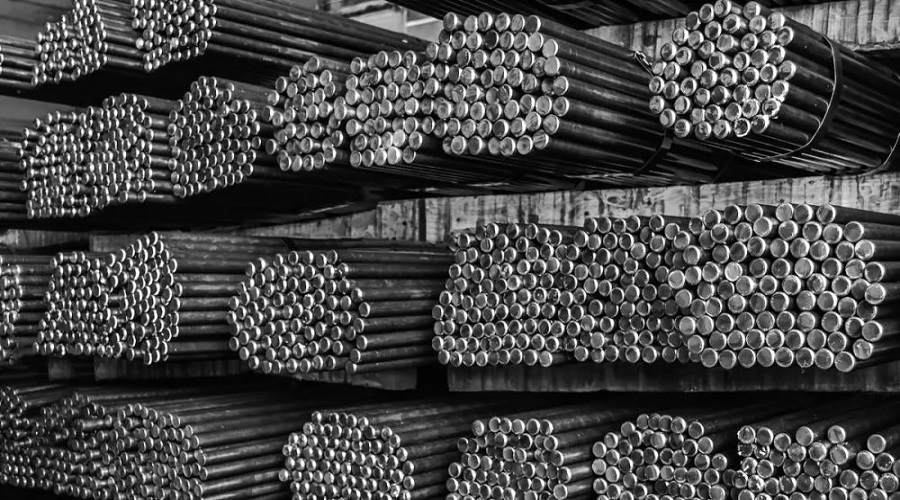
Lithuania remains an important trading partner for Dnipropetrovsk region. A bilateral analysis of foreign trade activity attests to the high level of these partnership relations. Lithuanian companies are most interested in ferrous metals and products thereof, railway locomotive parts, meat and edible by-products, machinery and equipment, and so on. According to the results for the first nine months of 2025, the volume of goods exported from Dnipropetrovsk region amounted to $59.4 million, an increase of 76.8% compared to the corresponding period in 2024.
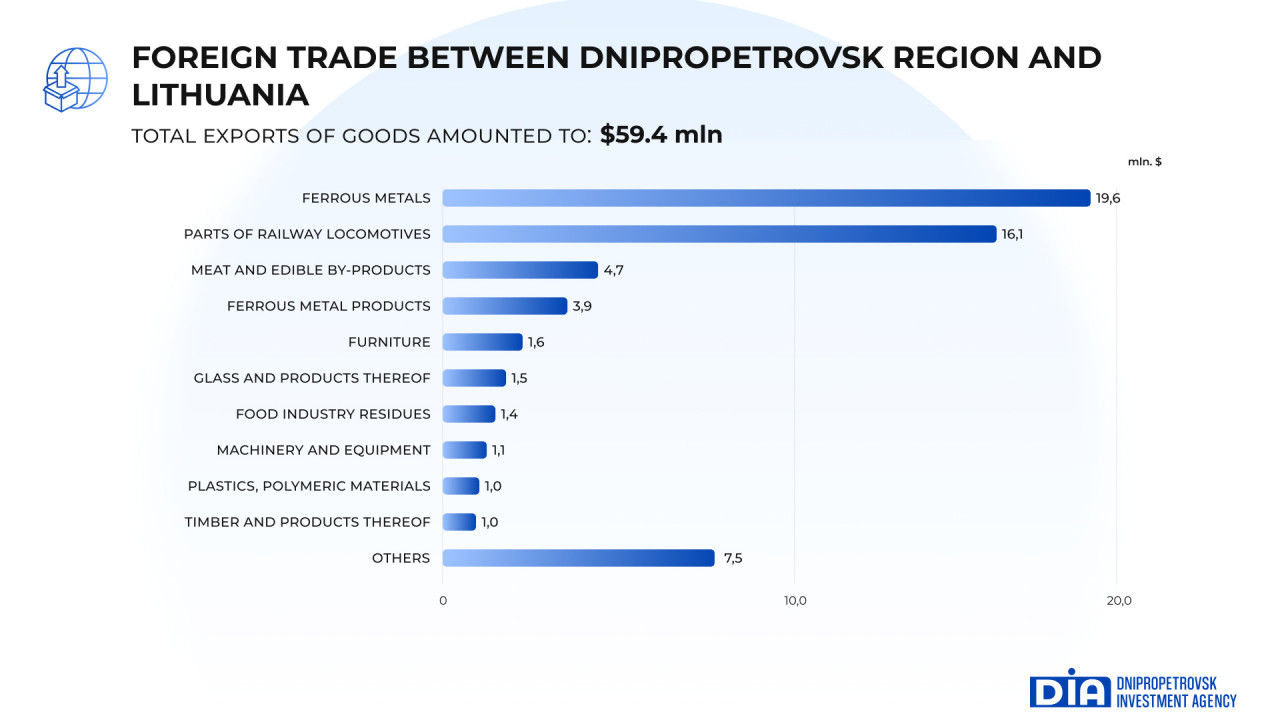
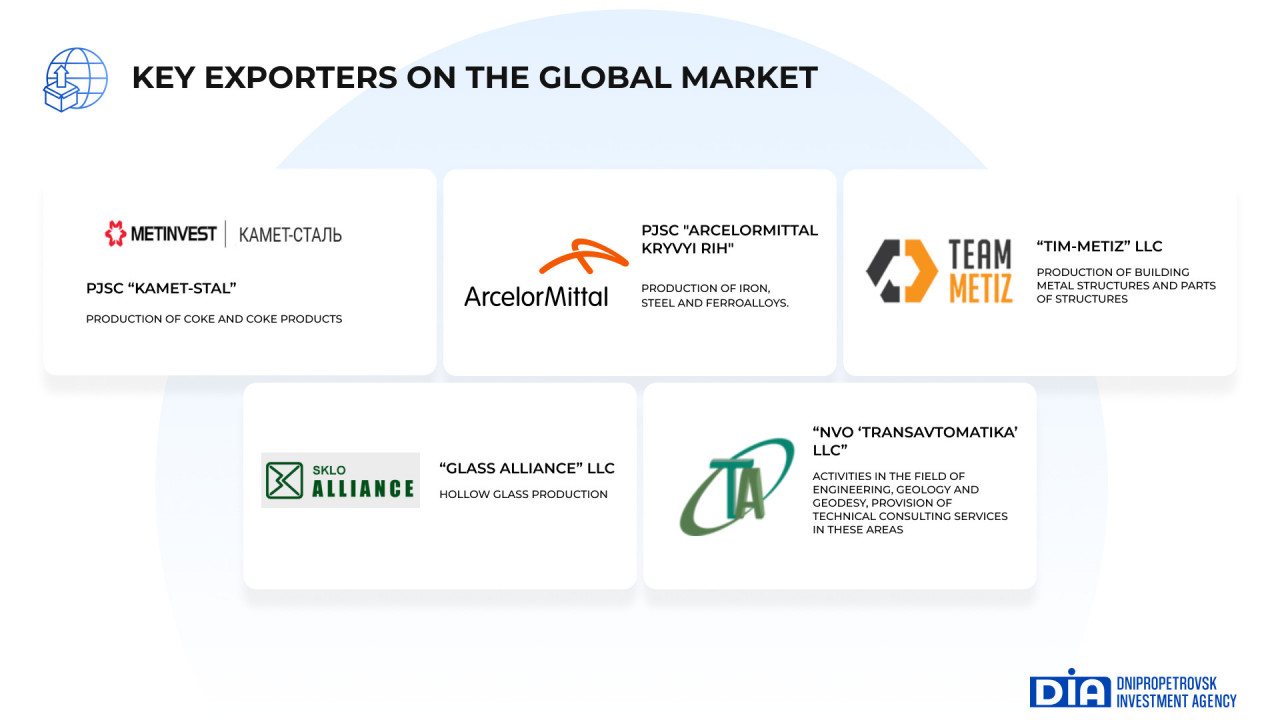
More than 150 companies in Dnipropetrovsk region have exported their products to the Lithuanian market, including companies in the metallurgical complex, as well as mechanical engineering, processing, and agricultural enterprises.
Imports of goods from Lithuania to Dnipropetrovsk region increased by 4.7% compared to the same period in 2024, totaling $40.2 million.
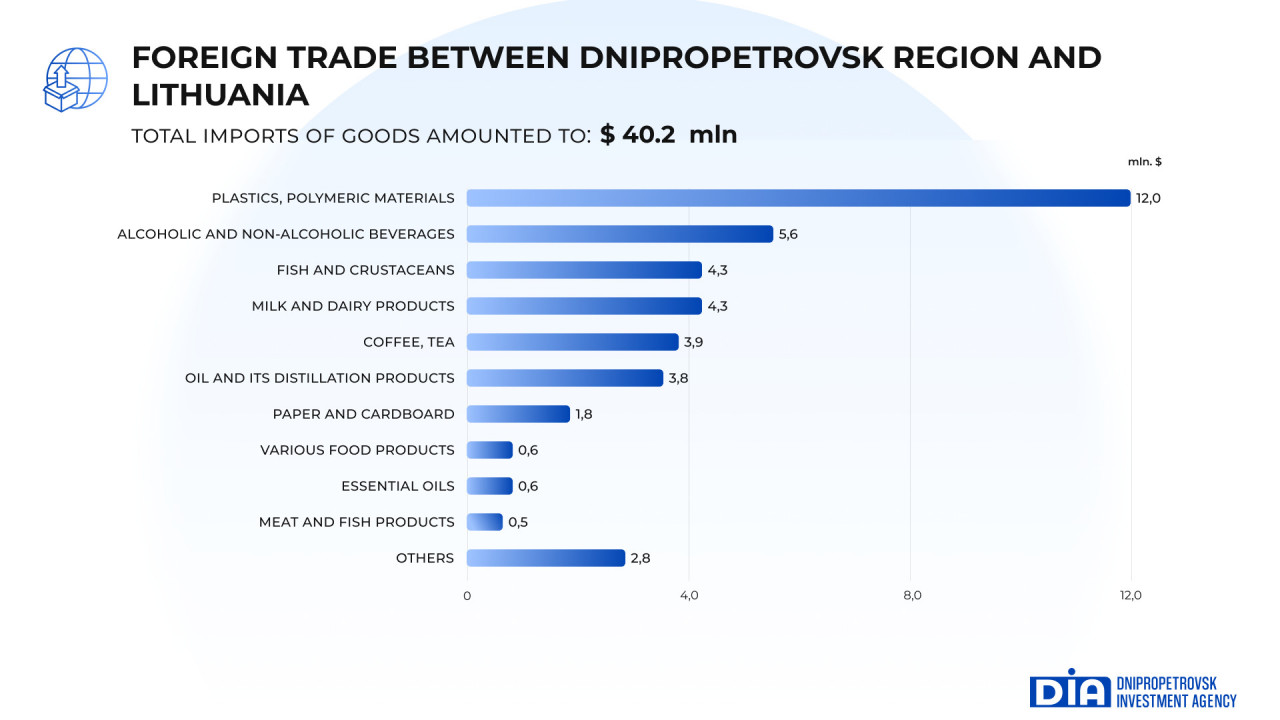
More than 100 import companies in the region purchased plastics and polymer materials, alcoholic and non-alcoholic beverages, fish, dairy products, and other goods.
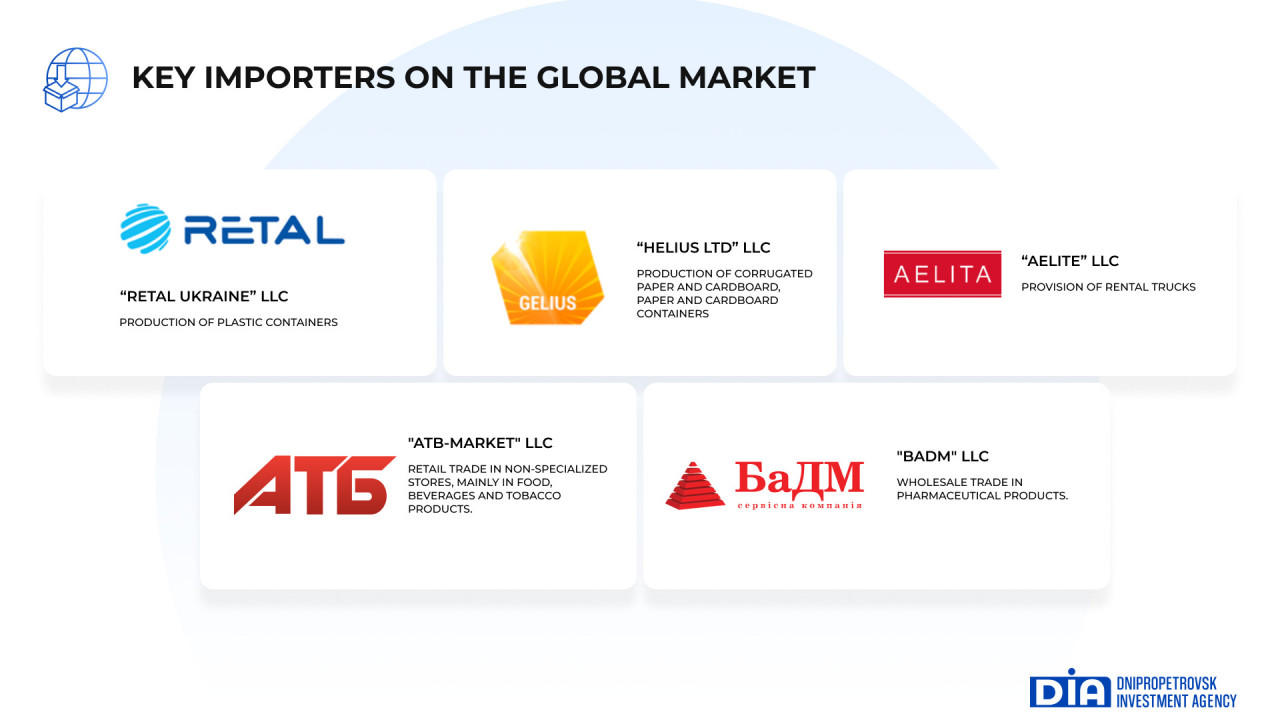
Import operations were primarily carried out by manufacturing, trading and pharmaceutical companies.
Source: the information for this article was taken from open online sources.