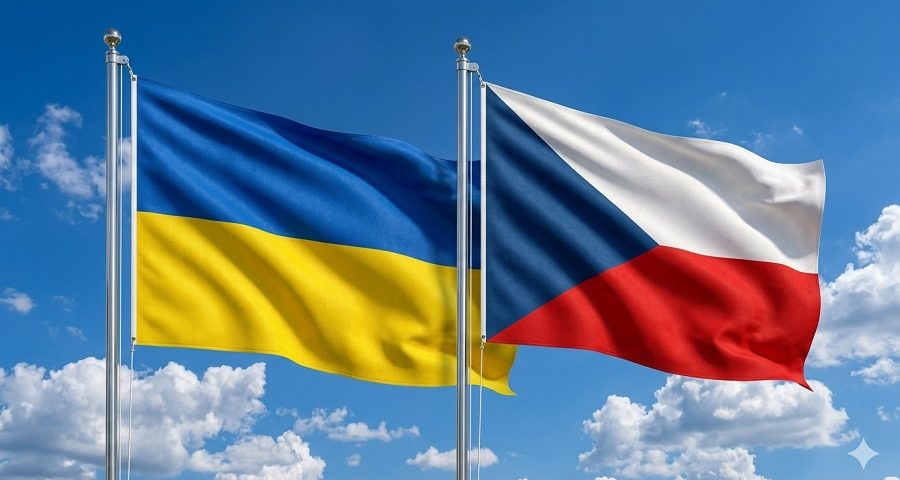
Dnipropetrovsk Investment Agency keeps introducing the level of cooperation between Ukraine, Dnipropetrovsk region and other countries amid the unprovoked military aggression of the russian federation against our state. In this publication, we offer an overview of the support provided by the Czech Republic and the volume of foreign trade, based on DIABASE data.
Now in the fifth year of the full-scale war, the Czech Republic remains among Ukraine’s partners that combine political support with concrete practical solutions. Its contribution is visible where results are measured not by statements, but by capabilities: ammunition for the front line, generators and equipment for critical infrastructure, as well as support for healthcare and rehabilitation.
The Czech Republic is one of Ukraine’s key allies. Since 2022, it has provided more than $290 million in military assistance, including tanks, helicopters and air defence systems. At the same time, Czech volunteers together with state institutions mobilised around $350 million in humanitarian support and hosted hundreds of thousands of refugees.
A separate pillar of support has been the “Czech initiative” to supply Ukraine with ammunition. Since its launch, Ukrainian troops have received around 4.4 million large-calibre artillery shells. Czech President Petr Pavel publicly stated that in 2025 alone, nearly 2 million large-calibre rounds were transferred to Ukraine under this initiative.
In 2025, the Czech Republic also assumed responsibility for training Ukrainian F-16 pilots. The programme involved training up to eight pilots at the state enterprise LOM Praha using simulators and L-39 training aircraft. Bilateral contacts during the same period also referred to broader military cooperation, including the development of training programmes and the strengthening of aviation capabilities.
Following waves of russian attacks on the energy sector during the winter of 2025–2026, the Czech Republic supported Ukraine primarily through backup power systems and critical energy equipment. In January 2026, the Czech government urgently allocated $500 thsd for the purchase of generators specifically for frontline territories.
Support through civic initiatives also remained important. In March 2026, volunteers of the Czech initiative “A Gift for Putin” delivered 72 evacuation ambulances to Ukraine as part of a joint Czech-Slovak fundraiser for the “Operation Oksana” project. The vehicles are being transferred to specific units in eastern Ukraine with which the volunteers cooperate directly.
In total, the delivery included 13 ambulances, one fire truck, one cargo truck, six multi-passenger vehicles, two off-road vehicles with fuel tanks, while the rest were SUVs. In addition to the vehicles, 110 medical backpacks, 102 EcoFlow batteries and other equipment were also handed over.
For Dnipropetrovsk region, which has become a key rear-area region while remaining close to the front line, Czech assistance is of particular importance: it strengthens the resilience of communities, reduces the risks of disruptions to basic services and supports people’s recovery.
In particular, in February 2026, thanks to Czech assistance, the city of Dnipro received 55 generators of various capacities. These generators will be installed at heat supply facilities, significantly increasing their autonomy.
As part of a two-year initiative of the Czech Ministry of Foreign Affairs and the Czech Development Agency in Dnipropetrovsk region, with a budget of around CZK 30 million (approximately $1.42 million), a project was implemented to strengthen the medical rehabilitation system and health support services. A coordination office was established in Dnipro, after which an international team assessed all outpatient rehabilitation centers in the region and selected six institutions for моdеrnisation.
Renovation works have already been carried out there to improve accessibility, modern rehabilitation equipment has been purchased, and medical staff have been trained in advanced methods of treatment for patients after trauma and injuries. Special courses in reproductive and mental health were also organised for dozens of doctors and medical workers, helping improve the quality of outpatient care in the region.
In 2025, Caritas attracted $1.5 million for energy-efficiency programmes in Nikopol district and Kryvyi Rih. The programme included thermal insulation of buildings, replacement of windows and doors, as well as support for families affected by shelling.
As of September 2025, $32.3 million of Czech investment had been attracted to the region’s economy. There are 20 companies with Czech investment operating in the region, forming a stable presence in the business environment and supporting the development of manufacturing and service sectors. This confirms the interest of Czech business in long-term cooperation with the region even under wartime risks.
The Czech Republic also remains an important trading partner of Dnipropetrovsk region. A bilateral analysis of foreign economic activity demonstrates the high level of partnership relations. Czech enterprises show the greatest interest in ores, ferrous metals and products thereof, parts of railway equipment and other goods.
According to the results of the first nine months of 2025, exports of goods from Dnipropetrovsk region amounted to $146.4 million, which was 10% less than in the corresponding period of the previous year. The region’s share in Ukraine’s exports to the Czech Republic accounted for 20%.
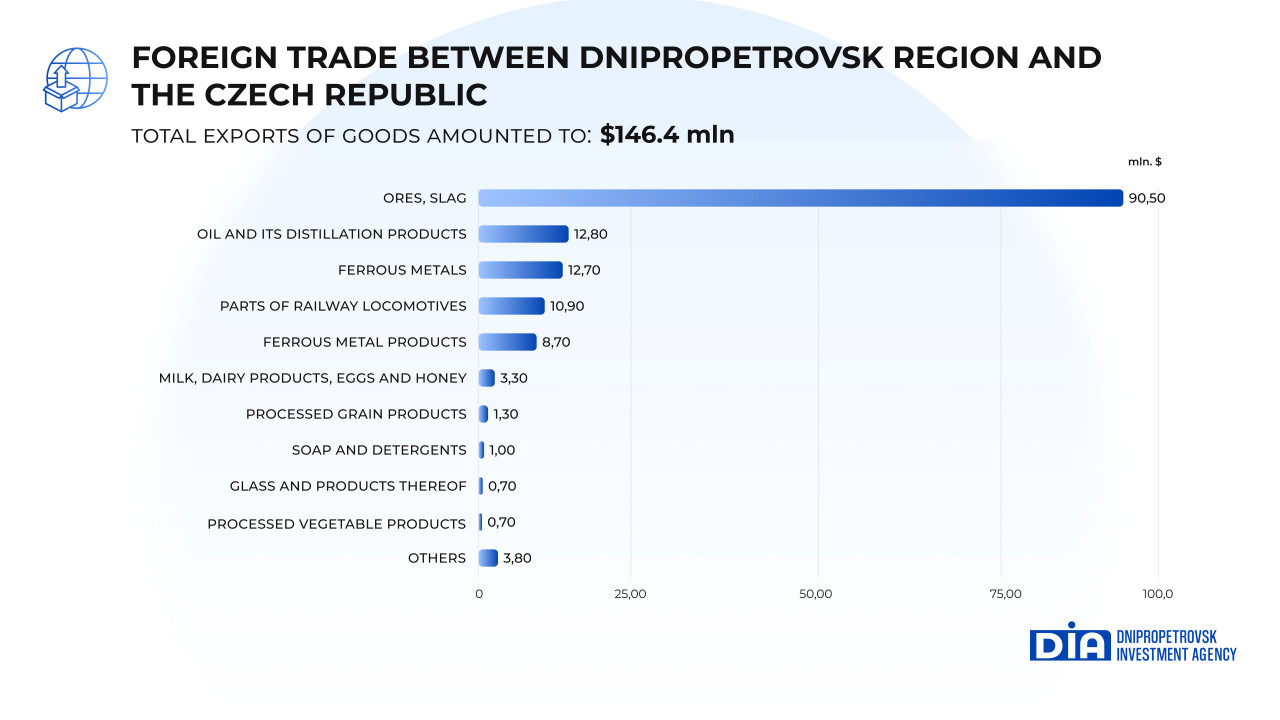
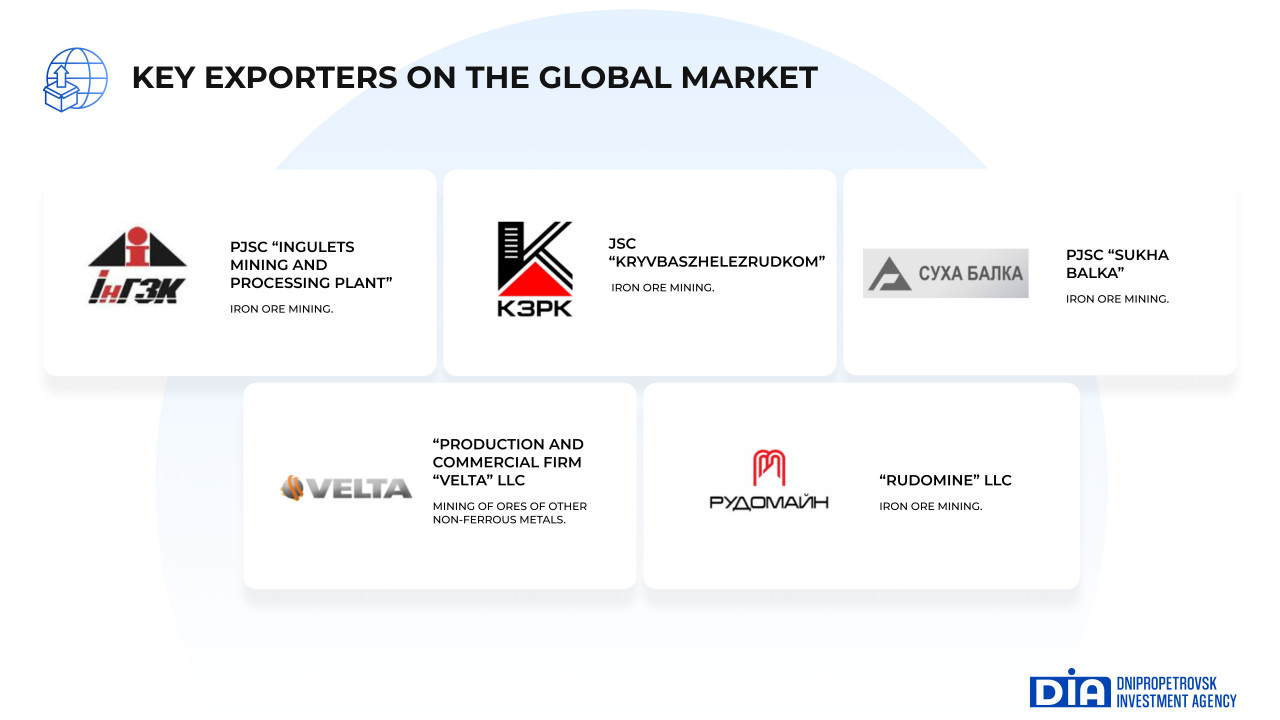
More than 100 enterprises of Dnipropetrovsk region exported their products to the Czech market, including mining and metallurgical companies, machine-building enterprises, processing industries and agricultural businesses.
Imports of goods from the Czech Republic to Dnipropetrovsk region increased by 70.8% compared to the previous period and amounted to $245 million. The region’s share in Ukraine’s imports from the Czech Republic accounted for 14%.
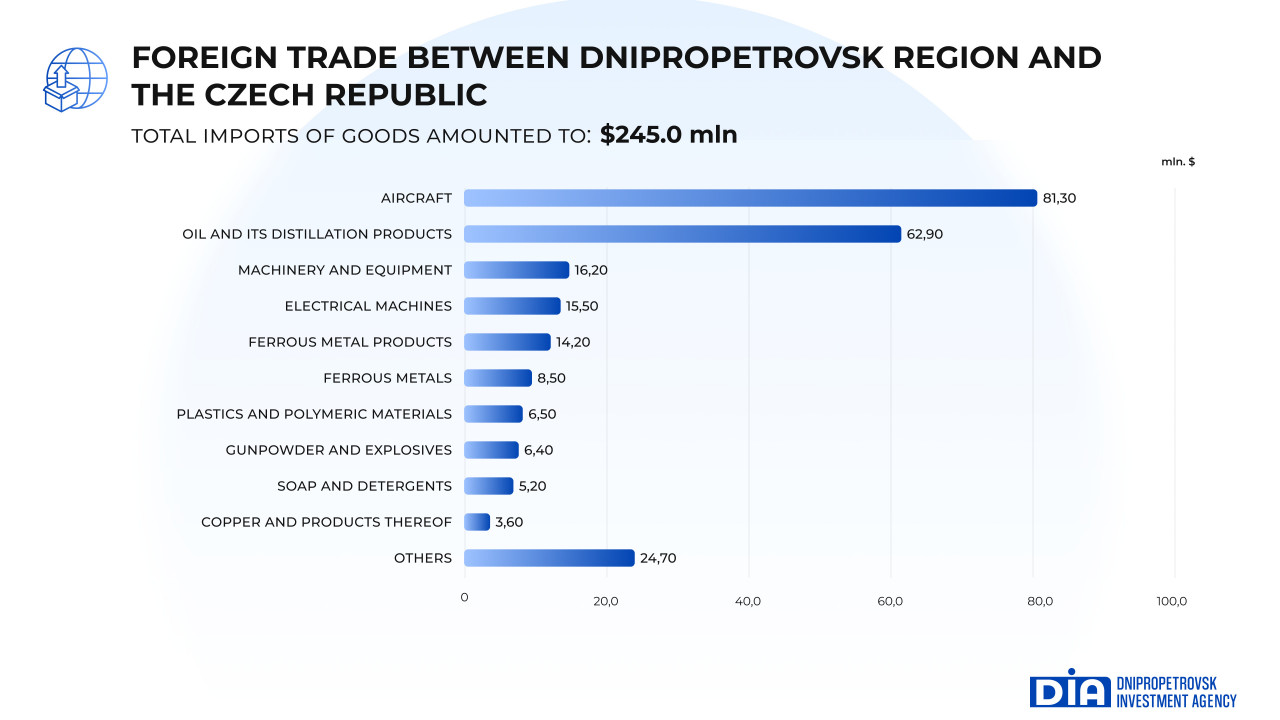
More than 250 importing enterprises in the region purchased machinery and equipment, plastics and polymer materials, products made of ferrous metals and other goods.
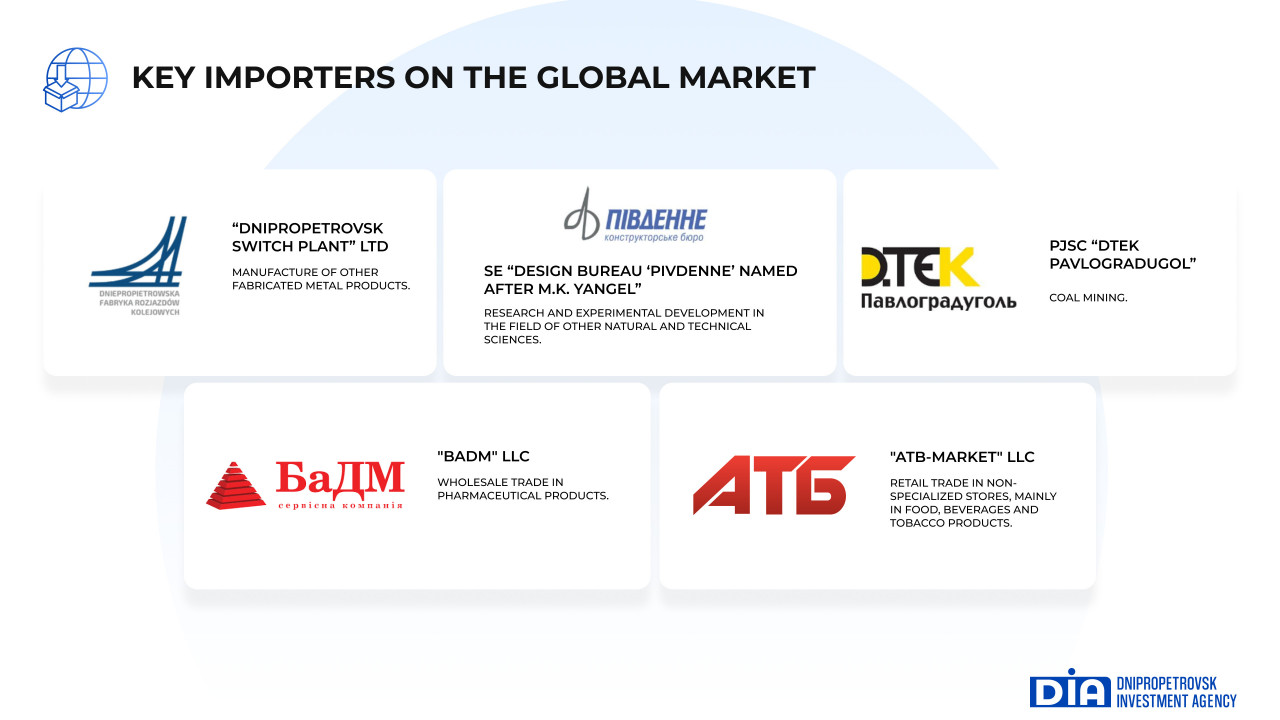
Import operations were mainly carried out by enterprises in the food and processing industries, as well as by trade and pharmaceutical companies.
Source: the information for this article was taken from open online sources.